Understanding the IRS definition of a farm is crucial for anyone involved in agricultural operations, whether you are a seasoned farmer or just starting out. The IRS has specific criteria that determine what qualifies as a farm, which can significantly impact your tax obligations and benefits. Many individuals mistakenly believe that owning a certain number of acres is the primary requirement for being classified as a farm. However, the reality is much more nuanced and involves various factors that reflect the operational nature of the property.At its core, the IRS defines a farm not merely by its size but by its purpose and the activities conducted on it.
A property must be engaged in agricultural production with the intention of making a profit to meet the IRS's standards. This includes a wide range of activities such as raising livestock, cultivating crops, or even operating agritourism ventures. Understanding these guidelines is essential for farmers to take advantage of potential tax breaks and deductions available to them.Moreover, distinguishing between a legitimate farming operation and a hobby farm is vital for tax purposes. Hobby farms, which often involve minimal income generation and are primarily for personal enjoyment, do not qualify for the same tax benefits as commercial farms.
This distinction can have significant financial implications, making it imperative for property owners to familiarize themselves with the IRS's definitions and requirements. By doing so, they can ensure compliance with tax regulations while maximizing their agricultural potential.
What Constitutes a Farm According to the IRS?
Understanding what constitutes a farm according to the IRS is crucial for anyone involved in agricultural activities. The IRS does not define a farm solely by the number of acres or the type of crops grown; instead, it considers several key factors that reflect the operational nature of the property.Business-Like Management
One of the primary criteria for a property to be classified as a farm is its management style. The IRS looks for evidence that the property is managed in a business-like manner.
This includes:
- Record Keeping: Maintaining detailed records of income and expenses related to agricultural activities.
- Operational Planning: Having a clear business plan that outlines goals, production methods, and marketing strategies.
- Regular Activities: Engaging in consistent farming practices, such as planting, harvesting, and selling produce.
Intention to Make a Profit
The IRS also assesses whether there is a genuine intention to make a profit from the agricultural activities. This means that:
- The farm should generate income that exceeds its operational costs over time.
- Farmers should actively seek ways to improve profitability, such as diversifying crops or investing in better equipment.
- A history of profit or loss can be evaluated over several years to determine if the farming operation is sustainable.
Reliance on Agricultural Income
Another significant factor is whether the individual relies on income from farming for their livelihood. If a person derives most of their income from agricultural activities, it strengthens the case for classifying their property as a farm. This reliance can be demonstrated through:
- The percentage of total income derived from farming activities.
- The extent to which farming contributes to overall financial stability.
Understanding these criteria can help farmers ensure they meet IRS requirements and take advantage of potential tax benefits associated with agricultural operations.
Key Factors in Determining Farm Status
When it comes to classifying a property as a farm, the IRS employs a multifaceted approach that goes beyond mere acreage. Understanding the key factors that influence this classification is essential for farmers and landowners alike. Here are the primary criteria that the IRS considers:- Intent to Generate Income: One of the foremost factors is the intention behind operating the property. The IRS looks for evidence that the land is being used with the goal of making a profit.
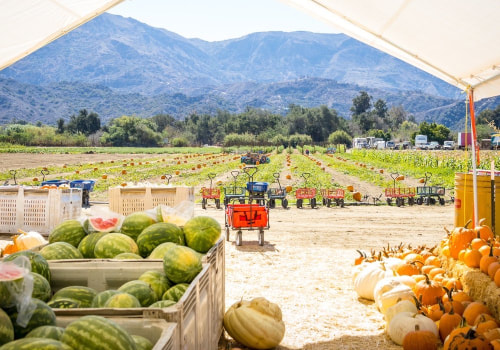
This can be demonstrated through consistent sales of agricultural products, participation in farmer's markets, or contracts with distributors.
- Business-Like Management: The manner in which the farm is managed plays a crucial role in its classification. The IRS expects farm operations to be conducted in a business-like manner, which includes maintaining accurate records, having a business plan, and making decisions based on financial viability. This means that even small-scale operations must exhibit professionalism and strategic planning.
- Reliance on Agricultural Income: The IRS assesses whether the individual or entity relies on income generated from agricultural activities for their livelihood. If a significant portion of income comes from farming, it strengthens the case for classifying the property as a farm.
- Diversity of Agricultural Activities: Engaging in various types of agricultural production can also influence classification.
Whether it’s raising livestock, growing crops, or producing dairy products, a diverse operation may be viewed more favorably by the IRS.
- Duration of Operations: The length of time that the property has been operated as a farm can also be a determining factor. A long-standing history of agricultural activity can support claims of legitimacy and intent to operate as a business.
Types of Farms Recognized by the IRS
Understanding the different types of farms recognized by the IRS is crucial for anyone involved in agricultural activities.The IRS categorizes farms based on their operational intent and income generation, which directly impacts tax obligations and benefits.
Small Farms
Small farms are defined as agricultural operations that actively cultivate land or manage livestock with the intention of making a profit. These farms can vary significantly in size and type, encompassing:
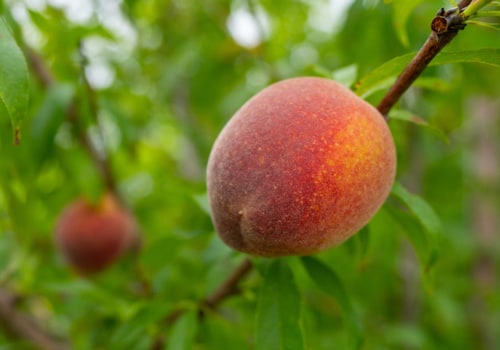
- Crops: This includes the cultivation of fruits, vegetables, grains, and other plants.
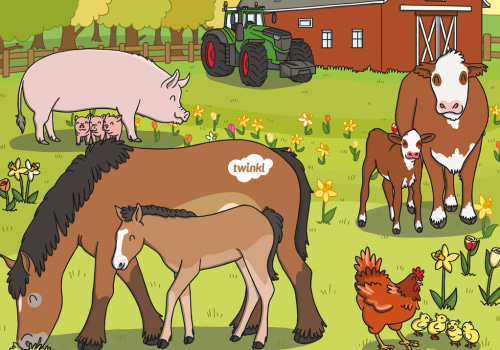
- Livestock: Small farms may raise animals such as cattle, pigs, sheep, and poultry.
- Dairy Production: Farms that produce milk and dairy products fall under this category.
- Aquaculture: The farming of fish and other aquatic organisms is also recognized.
Hobby Farms
In contrast, hobby farms are typically smaller-scale operations where agricultural activities are pursued primarily for personal enjoyment rather than profit. Characteristics of hobby farms include:
- Minimal income generation from agricultural activities.
- Focus on leisure activities such as raising a few animals or growing a small garden.
- Lack of significant investment in equipment or infrastructure aimed at profit-making.
If an operation is classified as a hobby farm, the owner may not be able to deduct expenses related to farming activities on their tax returns.
Agricultural Classifications
The IRS also recognizes various classifications within the agricultural sector that can affect tax treatment. These classifications include:
- Commercial Farms: These are larger operations that generate substantial income and often employ multiple workers.
- Family Farms: Typically run by family members, these farms may be small or large but focus on sustaining family livelihoods.
- Organic Farms: Operations that adhere to organic farming practices may qualify for specific tax incentives.
Tax Benefits and Deductions for Farmers
Farmers in the United States have access to a variety of tax benefits and deductions that can significantly reduce their taxable income. Understanding these benefits is crucial for maximizing profitability and ensuring compliance with IRS regulations.One of the primary tax advantages available to farmers is the ability to deduct expenses related to their agricultural operations.These deductions can include:
- Operating Expenses: Costs associated with running a farm, such as seeds, fertilizers, and feed, can be deducted from taxable income.
- Equipment and Machinery: Farmers can depreciate the cost of equipment and machinery over time, allowing them to spread out the expense and reduce their tax burden.
- Repairs and Maintenance: Expenses incurred for repairs and maintenance of farm buildings and equipment are also deductible.
- Utilities: Costs for water, electricity, and other utilities used in farming operations can be deducted.
This includes:
- Depreciation: Similar to other equipment, vehicles can be depreciated over time.
- Actual Expenses: Farmers can choose to deduct actual expenses incurred for vehicle operation, including fuel, repairs, and insurance.
- Mileage Deduction: Alternatively, farmers may opt for a standard mileage rate deduction based on the number of miles driven for business purposes.
Documentation Required to Prove Farm Status
To establish your property as a legitimate farm under IRS guidelines, it is crucial to maintain comprehensive documentation that demonstrates your agricultural activities and income.This documentation serves as evidence of your intent to operate a business rather than merely engaging in a hobby. Below are key types of documentation that farmers should keep on hand:
- Business Plan: A well-structured business plan outlines your farming operations, including the types of crops or livestock you manage, your marketing strategies, and financial projections. This document not only helps clarify your goals but also serves as a foundational piece of evidence for IRS evaluations.
- Profit and Loss Statements: Regularly updated profit and loss statements provide a clear picture of your farm's financial health. These statements should detail all income generated from agricultural activities, as well as expenses incurred, such as equipment purchases, feed costs, and labor expenses.
- Income Records: Keep meticulous records of all income sources related to your farm.
This includes sales receipts from produce or livestock sold, invoices for services rendered, and any government subsidies or grants received. Accurate income records are essential for proving that your farm is a viable business.
- Bank Statements: Maintain separate bank accounts for your farming operations to simplify tracking income and expenses. Bank statements can serve as additional proof of the financial transactions related to your farm activities.
- Daily Activity Logs: Documenting daily activities on the farm can help substantiate the time and effort you invest in managing the operation. This log should include details about planting, harvesting, maintenance tasks, and any other relevant activities.
- Tax Returns: Your tax returns should reflect the income generated from your farming activities.
Ensure that you report all agricultural income accurately and take advantage of any deductions available to farmers.
Common Misconceptions About Farm Classification
When it comes to understanding what qualifies as a farm, there are several misconceptions that often lead to confusion among landowners and aspiring farmers. One of the most prevalent myths is the belief that a specific number of acres is required for a property to be classified as a farm.In reality, the IRS does not set a minimum acreage requirement. Instead, the classification hinges on the intent to operate a business and generate profit from agricultural activities.Another common misunderstanding is the distinction between hobby farms and legitimate agricultural operations. Hobby farms typically involve small-scale farming activities that are primarily for personal enjoyment rather than profit. For instance, someone who raises a few chickens or grows vegetables for their own consumption may consider themselves a hobby farmer.
However, these operations do not qualify for tax breaks or deductions available to commercial farms.To be recognized as a legitimate farm by the IRS, an operation must demonstrate that it is conducted with the intention of making a profit. This includes keeping detailed records of income and expenses, actively managing agricultural activities, and relying on farming as a primary source of income. If an operation fails to meet these criteria, it may be classified as a hobby farm, which can have significant tax implications.Additionally, some individuals mistakenly believe that any income generated from farming activities automatically qualifies their property as a farm. However, the IRS evaluates various factors beyond just income.
These include:
- The scale of operations
- The business-like manner in which the farm is managed
- The time and effort devoted to farming
- The reliance on agricultural income for livelihood
State-Specific Regulations and Zoning Considerations
When it comes to the classification of a farm and its eligibility for tax breaks, understanding state-specific regulations and local zoning laws is crucial. Each state in the U. S.has its own set of rules that govern agricultural practices, which can significantly impact how a property is defined as a farm.
State Regulations for Farms
- Licensing and Permits: Many states require farmers to obtain specific licenses or permits to operate legally. This can include permits for livestock, pesticide application, and water usage. Failure to comply with these regulations can jeopardize the classification of your property as a farm.
- Tax Incentives: Some states offer tax incentives for agricultural operations, such as reduced property taxes or exemptions from certain sales taxes. However, these benefits often come with stringent requirements that must be met to maintain eligibility.
- Environmental Regulations: States may impose environmental regulations that affect farming practices, including restrictions on land use, waste management, and water conservation.
Understanding these regulations is essential for ensuring compliance and maintaining your farm's status.
Zoning Laws for Agriculture
Zoning laws are another critical factor in determining whether a property qualifies as a farm. Local governments establish zoning ordinances that dictate how land can be used within their jurisdictions. These laws can vary widely from one area to another and may include:
- Agricultural Zoning Districts: Some areas are designated specifically for agricultural use, which can provide protections against encroachment from residential or commercial developments. Being located in an agricultural zoning district can help solidify your farm's classification.
- Restrictions on Non-Agricultural Activities: Zoning laws may limit the types of activities that can occur on a farm.
For example, if you plan to host events or operate a retail store on your property, you may need special permits or face restrictions that could affect your farm's status.
- Setback Requirements: Local zoning ordinances often include setback requirements that dictate how far structures must be from property lines or roads. These regulations can impact the layout of your farm and its operational efficiency.
Local Farming Guidelines
In addition to state regulations and zoning laws, local farming guidelines can also play a significant role in defining what constitutes a farm. These guidelines may address:
- Sustainable Practices: Many localities encourage sustainable farming practices through guidelines that promote soil health, water conservation, and biodiversity. Adhering to these practices not only benefits the environment but can also enhance your farm's reputation.
- Community Engagement: Some regions have initiatives aimed at fostering community-supported agriculture (CSA) programs or farmers' markets.
Participating in these programs can help establish your farm as a legitimate agricultural operation.
Conclusion: Navigating the IRS Definition of a Farm
Understanding the IRS definition of a farm is crucial for anyone involved in agricultural activities, whether on a small scale or as part of a larger operation. The IRS does not simply categorize a property as a farm based on its size or the number of acres it encompasses. Instead, it evaluates several factors that reflect the operational intent and business-like management of the property.As discussed, the primary criteria include:- Profit Motive: The intention to generate income from agricultural activities is essential.
If your operations are primarily for personal enjoyment without a genuine profit motive, the IRS may classify your property as a hobby farm, which does not qualify for tax benefits.
- Active Management: The IRS looks for evidence that you actively manage and cultivate your land. This can involve various agricultural practices, such as raising livestock, growing crops, or engaging in aquaculture.
- Income Reliance: A significant aspect of qualifying as a farm is demonstrating that you rely on agricultural income for your livelihood. This means that your farming activities should contribute meaningfully to your overall financial situation.
By ensuring that your agricultural activities align with the IRS's criteria, you can not only achieve compliance but also unlock potential tax benefits that can significantly impact your farming operation's financial health. For those uncertain about their status, consulting resources like the IRS's "Publication 225" or seeking professional advice can provide clarity and guidance tailored to individual circumstances.