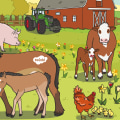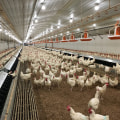
The term farm often conjures images of sprawling fields, livestock grazing under the sun, and farmers tending to their crops. However, the reality of what constitutes a farm is far more intricate than this simplistic portrayal. A farm is not merely defined by its physical attributes or the activities that occur within its boundaries; it encompasses a wide range of operations, practices, and even economic implications that vary significantly across different regions and cultures. Understanding the multifaceted nature of a farm requires delving into various definitions and classifications that reflect its complexity.At its core, a farm can be described as any tract of land dedicated to agricultural production, but this definition alone fails to capture the diversity of farming practices.
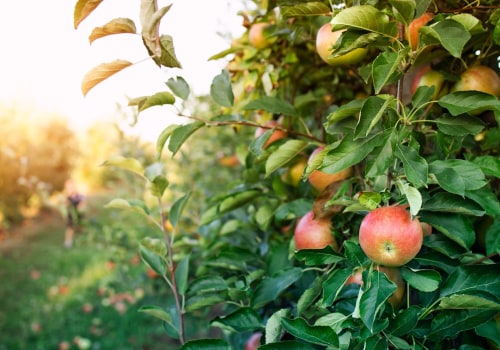
Farms can range from small family-owned plots to vast industrial operations, each with unique characteristics and purposes. For instance, some farms focus on crop cultivation, while others may specialize in livestock rearing or even aquaculture. Additionally, there are various types of farms, including ranches , orchards , and plantations , each contributing differently to the agricultural landscape.Moreover, the definition of a farm extends beyond traditional agriculture. In recent years, the rise of urban farming and community gardens has introduced new dimensions to what can be classified as a farm.
These modern interpretations challenge conventional notions and highlight the evolving relationship between society and agriculture. As we explore the concept of a farm further in this article, we will uncover the various elements that contribute to its definition and examine how these factors influence agricultural practices worldwide.
Historical Context of Farming
The history of farming is a rich tapestry that reflects the evolution of human civilization itself. From the earliest days of hunter-gatherer societies to the complex agricultural systems we see today, the definition of a farm has undergone significant transformation.Initially, farming began around 10,000 years ago during the Neolithic Revolution, when humans transitioned from nomadic lifestyles to settled agricultural communities. This shift allowed for the domestication of plants and animals, leading to the establishment of permanent settlements.Early farms were small and primarily focused on subsistence, providing just enough food for families and local communities.As societies grew, so did the scale and complexity of farming practices. The introduction of irrigation systems in ancient Mesopotamia and Egypt marked a pivotal moment in agricultural history. These innovations enabled farmers to cultivate larger areas of land and produce surplus crops, which in turn supported population growth and urbanization.During the Middle Ages, farming practices continued to evolve with the introduction of crop rotation and the three-field system, which improved soil fertility and increased yields. This period also saw the rise of feudalism, where large estates were managed by lords who employed peasants to work the land.
The concept of a farm began to expand beyond mere subsistence to include commercial production aimed at local markets.The Industrial Revolution in the 18th and 19th centuries brought about profound changes in agriculture. Mechanization transformed farming from labor-intensive practices to more efficient operations. The invention of machinery such as the plow and later the tractor revolutionized how farms operated, allowing for larger-scale production and specialization in certain crops or livestock.In contemporary times, farms have diversified even further. Modern agricultural practices incorporate advanced technologies such as precision farming, biotechnology, and sustainable practices aimed at reducing environmental impact.
Today’s farms can range from small organic operations to vast industrial complexes that produce food for global markets.This historical context illustrates that a farm is not merely a piece of land but a dynamic entity that reflects cultural, economic, and technological changes throughout history. Understanding this evolution is crucial for appreciating the role farms play in our society today.
Types of Farms: A Diverse Landscape
The landscape of farming is incredibly diverse, reflecting a wide array of practices, purposes, and scales. Understanding the different types of farms is essential for grasping the complexities of agricultural production and its impact on the economy and society. Below are some of the primary categories of farms, each with its unique characteristics and objectives.- Family Farms: These are typically small to medium-sized operations owned and operated by families.
Family farms often focus on producing food for local markets and may include a variety of crops and livestock. The emphasis is usually on sustainability and community engagement, making them vital to local economies.
- Commercial Farms: In contrast to family farms, commercial farms are larger operations that produce goods primarily for sale in national or international markets. These farms often specialize in a single crop or type of livestock, utilizing advanced technology and methods to maximize efficiency and yield. Examples include large-scale corn or soybean farms in the Midwest.
- Organic Farms: With a growing demand for organic products, these farms adhere to strict guidelines that prohibit synthetic fertilizers and pesticides.
Organic farming emphasizes biodiversity, soil health, and ecological balance. Farmers often engage in crop rotation and use natural pest control methods to maintain their crops without chemical interventions.
- Hobby Farms: Often smaller in scale, hobby farms are typically owned by individuals who engage in farming as a pastime rather than a primary source of income. These farms may produce a variety of crops or keep animals for personal use or enjoyment. While they contribute less to the economy than commercial operations, hobby farms play an important role in promoting local food systems and sustainable practices.
- Ranches: Focused primarily on raising livestock, ranches can vary significantly in size and scope.
They are often associated with cattle or sheep production but can also include other animals such as goats or horses. Ranching practices can differ widely based on geographical location, climate, and available resources.
- Specialty Farms: These farms focus on niche markets or specific products such as flowers, herbs, or exotic fruits. Specialty farming allows producers to cater to unique consumer demands and can often yield higher profit margins due to less competition.
Legal Definitions and Regulations Surrounding Farms
Understanding the legal definitions and regulations surrounding farms is crucial for anyone involved in agricultural activities.These definitions can vary significantly across different jurisdictions, impacting everything from land use to taxation and environmental compliance.In the United States, the legal definition of a farm is often tied to specific criteria set forth by various federal and state laws. For instance, the Internal Revenue Code (IRC) provides a framework for what constitutes a farm for tax purposes. According to Article 464 of the IRC, a farm is defined as any land used for the production of agricultural products, which includes crops, livestock, and other related activities. This definition is essential for farmers seeking tax deductions and credits associated with their operations.Moreover, the U.
S. Department of Agriculture (USDA) plays a pivotal role in defining farms through its census data collection efforts. The USDA typically classifies farms based on size, production levels, and income generated from agricultural activities. For example, a farm must usually generate at least $1,000 in sales annually to be officially recognized as such.In addition to federal regulations, state laws also impose specific definitions and requirements for farms.
Many states have their own agricultural codes that outline what qualifies as a farm within their jurisdiction. These laws can dictate zoning regulations, land use restrictions, and even environmental protections that farmers must adhere to.For instance, some states may require farms to obtain permits for certain activities such as waste management or pesticide application. These regulations are designed to protect public health and the environment while ensuring that farming practices are sustainable.Furthermore, international perspectives on farm definitions can differ markedly from those in the U. In Europe, for example, the European Union (EU) has established its own criteria for what constitutes a farm under its Common Agricultural Policy (CAP).
Farms in the EU must meet specific size thresholds—typically at least 1 hectare (2.5 acres)—and demonstrate that they market a portion of their production to qualify for subsidies and support programs.Overall, navigating the complex web of legal definitions and regulations surrounding farms requires a thorough understanding of both local and national laws. Farmers must stay informed about these regulations to ensure compliance and optimize their operations effectively.
Economic Impact of Farms on Local and Global Markets
The economic impact of farms extends far beyond the boundaries of their fields, influencing both local and global markets in profound ways. Farms serve as the backbone of the agricultural sector, which is a critical component of a nation’s economy. Understanding this impact requires a closer examination of several key areas: job creation, food production, and export value.Job Creation
Farms are significant employers in rural areas, providing jobs not only on the farms themselves but also in related industries.
According to the U. Department of Agriculture, agriculture and its related sectors account for approximately 10% of total employment in the United States. This includes roles in:
- Agricultural production
- Food processing
- Transportation and logistics
- Retail and distribution
Food Production
The primary function of farms is to produce food, which is essential for sustaining populations. The efficiency and productivity of farms directly influence food prices and availability in local markets.
As farms adopt innovative practices and technologies, they can increase yields and reduce costs, making food more accessible to consumers. This is particularly important in times of economic uncertainty when food security becomes a pressing concern.
Export Value
Farms also play a crucial role in international trade. Many countries rely on agricultural exports as a significant source of revenue. For instance, the United States is one of the largest exporters of corn, soybeans, and wheat globally.
The export value generated by these products contributes substantially to the national GDP. In 2021 alone, U. agricultural exports were valued at over $177 billion, highlighting the importance of farms in maintaining a favorable trade balance.In conclusion, the economic contributions of farms are multifaceted and vital for both local communities and global markets. By creating jobs, ensuring food production, and generating export revenue, farms not only support their immediate surroundings but also play an integral role in shaping national economies.
Modern Farming Practices: Technology and Sustainability
In recent years, the agricultural sector has undergone a significant transformation, driven by advancements in technology and a growing emphasis on sustainability.Modern farming practices are increasingly integrating innovative techniques that not only enhance productivity but also promote environmental stewardship.
Precision Agriculture
is one of the most notable modern farming techniques. This approach utilizes data analytics, GPS technology, and IoT (Internet of Things) devices to optimize field-level management regarding crop farming. By collecting real-time data on soil conditions, weather patterns, and crop health, farmers can make informed decisions that lead to more efficient use of resources. For instance, precision irrigation systems can deliver water directly to the roots of plants, minimizing waste and ensuring that crops receive the exact amount of moisture they need.Another key aspect of modern farming is the adoption of sustainable agriculture practices.
These methods focus on maintaining ecological balance while producing food. Techniques such as crop rotation, cover cropping, and reduced tillage help improve soil health and biodiversity. By rotating crops, farmers can prevent soil depletion and reduce pest populations without relying heavily on chemical pesticides.
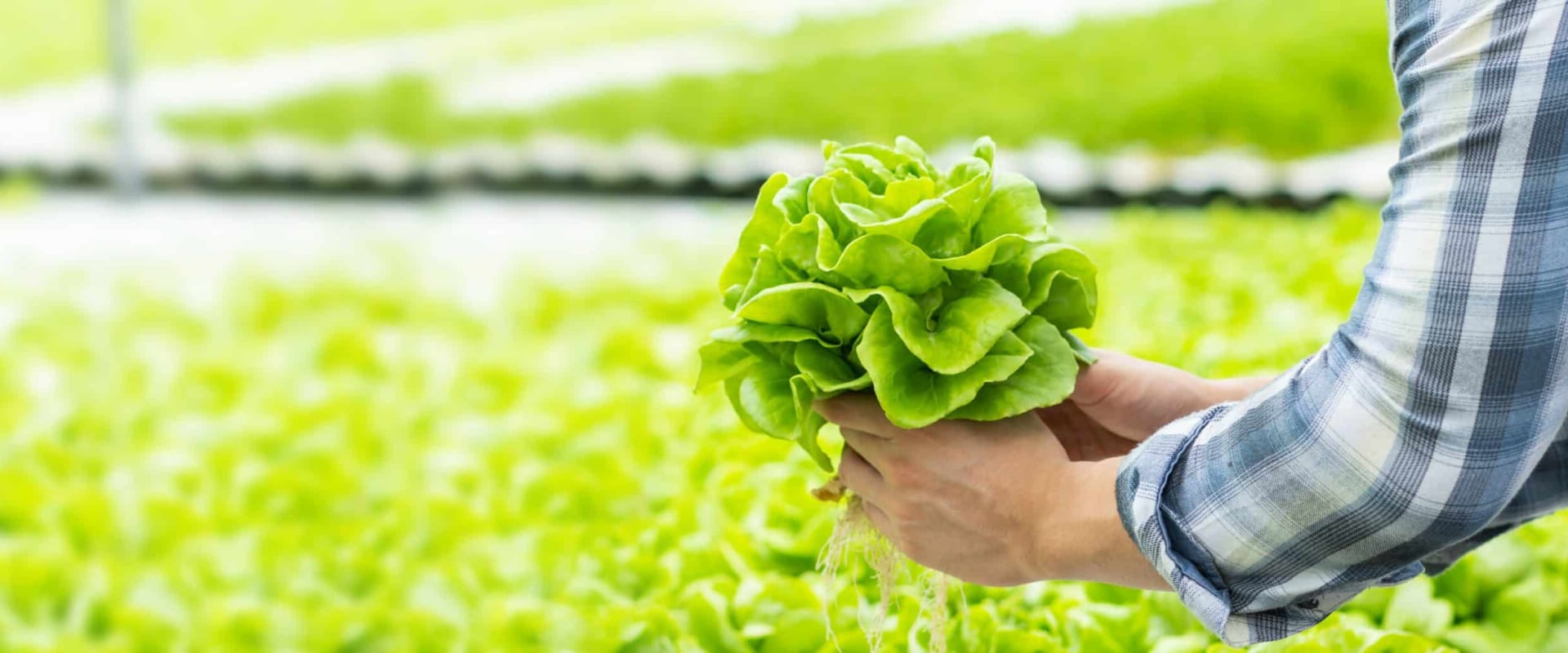
Vertical farming
is also gaining traction as a sustainable solution to food production in urban areas. This innovative method involves growing crops in stacked layers, often using hydroponics or aeroponics systems.
Vertical farms can be established in warehouses or other urban structures, significantly reducing the need for land and water while providing fresh produce to city dwellers.Moreover, technology plays a crucial role in enhancing sustainability through agricultural biotechnology. Genetically modified organisms (GMOs) are engineered to resist pests and diseases, which can lead to higher yields with fewer chemical inputs. While the debate around GMOs continues, their potential to contribute to food security in a growing global population cannot be overlooked.Finally, the integration of renewable energy sources into farming operations is becoming increasingly common. Solar panels and wind turbines are being utilized to power farms, reducing reliance on fossil fuels and lowering greenhouse gas emissions.
This shift not only supports sustainability goals but also helps farmers cut operational costs over time.In conclusion, modern farming practices are evolving rapidly as technology and sustainability efforts converge. By embracing these innovations, farmers can enhance productivity while ensuring that their practices are environmentally responsible. The future of agriculture lies in the balance between technological advancement and sustainable practices that protect our planet for generations to come.
Challenges Facing Farms Today
Farming today is fraught with a multitude of challenges that can significantly impact productivity and sustainability. As the agricultural landscape evolves, farmers must navigate a complex web of issues that threaten their livelihoods and the food supply chain.Climate Change
is perhaps the most pressing challenge facing farms globally.
Rising temperatures, unpredictable weather patterns, and extreme weather events such as droughts and floods can devastate crops and livestock. Farmers are increasingly required to adapt their practices to mitigate these effects, which may involve investing in new technologies or altering traditional farming methods.Another significant issue is market fluctuations. Prices for agricultural products can be highly volatile, influenced by factors such as global demand, trade policies, and competition from international markets. Farmers often find themselves at the mercy of these fluctuations, which can lead to financial instability.
For instance, a sudden drop in commodity prices can make it difficult for farmers to cover their production costs, leading to potential losses.
Regulatory pressures
also pose a considerable challenge. Farmers must comply with a myriad of regulations concerning environmental protection, food safety, and labor laws. While these regulations are essential for ensuring sustainable practices and consumer safety, they can also create additional burdens for farmers who may lack the resources to meet compliance requirements.Moreover, access to technology is becoming increasingly vital in modern agriculture. However, not all farmers have equal access to advanced farming technologies such as precision agriculture tools or data analytics platforms.
This digital divide can hinder productivity and competitiveness, particularly for small-scale farmers who may struggle to invest in such innovations.Lastly, labor shortages are an ongoing concern in the agricultural sector. Many farms rely on seasonal labor for planting and harvesting, but finding reliable workers has become increasingly difficult due to immigration policies and changing workforce dynamics. This shortage can lead to delays in production and increased operational costs.In summary, the challenges facing farms today are multifaceted and require innovative solutions and collaborative efforts among stakeholders in the agricultural sector. Addressing these issues is crucial not only for the success of individual farms but also for ensuring food security and sustainability on a global scale.
The Future of Farming: Trends and Predictions
The landscape of agriculture is undergoing a significant transformation, driven by technological advancements, environmental concerns, and changing consumer preferences.As we look to the future of farming, several key trends are emerging that will shape the industry in the coming years.
1.Precision Agriculture
One of the most notable trends is the rise of precision agriculture. This approach utilizes technology such as GPS, drones, and IoT devices to monitor crop health and optimize resource use. Farmers can now collect data on soil conditions, weather patterns, and crop performance in real-time, allowing for more informed decision-making. This not only increases efficiency but also reduces waste and environmental impact.
2.Sustainable Practices
As awareness of climate change grows, sustainable farming practices are becoming increasingly important.
Farmers are adopting methods such as crop rotation, cover cropping, and organic farming to enhance soil health and biodiversity. These practices not only help mitigate environmental damage but also cater to a growing market of consumers seeking sustainably sourced products.
3.Urban Agriculture
The trend towards urbanization is leading to a rise in urban agriculture. As cities expand, more people are looking for ways to grow their own food within urban settings. Vertical farms and community gardens are becoming popular solutions that allow city dwellers to engage in agriculture while reducing their carbon footprint associated with food transportation.
4.Automation and Robotics
Automation is set to revolutionize farming practices.
The introduction of robotics in tasks such as planting, harvesting, and monitoring crops can significantly reduce labor costs and increase productivity. As technology continues to advance, we can expect to see more autonomous machines operating on farms, making agriculture less labor-intensive.
5.Biotechnology
Biotechnology is another area poised for growth in agriculture. Genetic engineering and CRISPR technology are being used to develop crops that are more resistant to pests and diseases, require less water, and have higher nutritional value. These innovations could play a crucial role in addressing food security as the global population continues to rise.
6.Consumer Trends
Finally, changing consumer preferences are influencing agricultural practices.
There is a growing demand for transparency in food production, with consumers wanting to know where their food comes from and how it is produced. This trend is pushing farmers to adopt more transparent practices and engage directly with consumers through farmers' markets and online platforms.In conclusion, the future of farming is likely to be characterized by a blend of technology-driven efficiency and sustainable practices that respond to societal changes. As these trends continue to evolve, they will not only redefine what it means to be a farmer but also how we perceive our relationship with food and the environment.
Frequently Asked Questions About Farms
Understanding farms can be complex, and many people have questions about what constitutes a farm, the types of farming practices, and the economic implications of agricultural activities. Here are some frequently asked questions that can help clarify these topics.- What is considered a farm? A farm is generally defined as a tract of land used for agricultural purposes, which may include the cultivation of crops, raising livestock, or both.
However, the definition can vary based on local regulations and agricultural practices.
- Are all farms the same size? No, farms can vary significantly in size. Some may be small family-run operations covering just a few acres, while others can span thousands of acres and involve complex agricultural enterprises.
- What types of farming exist? There are several types of farming, including:
- Crop farming: Focused on growing plants for food, fiber, or fuel.
- Livestock farming: Involves raising animals for meat, milk, wool, and other products.
- Dairy farming: Specializes in producing milk and dairy products.
- Mixed farming: Combines both crop and livestock production.
- Organic farming: Utilizes natural methods to grow crops and raise animals without synthetic chemicals.
- How do farms contribute to the economy? Farms play a crucial role in the economy by providing food and raw materials for various industries. They also create jobs in agriculture and related sectors, contribute to exports, and support local economies through the sale of goods and services.
- What is sustainable farming? Sustainable farming refers to agricultural practices that meet current food needs without compromising the ability of future generations to meet their own needs. This includes methods that protect the environment, promote biodiversity, and maintain soil health.
By exploring these topics further, individuals can gain a deeper understanding of agriculture's vital role in society and the economy.
Conclusion: The Multifaceted Nature of Farms Today
In conclusion, the definition of a farm is far from straightforward. As we have explored throughout this article, a farm encompasses a wide array of activities, structures, and economic contributions that extend beyond mere land use for agricultural production. The complexity of what constitutes a farm today reflects the evolving nature of agriculture and its integration into broader economic systems.Firstly, it is essential to recognize that farms can vary significantly in size and scope. From small family-run operations to large-scale commercial enterprises, each type of farm plays a unique role in the agricultural landscape.This diversity is not only evident in the physical characteristics of farms but also in the variety of products they produce, ranging from traditional crops and livestock to innovative agricultural technologies.Moreover, the activities conducted on farms are multifaceted. They include not only the cultivation of crops and raising of animals but also various support activities such as soil management, pest control, and even renewable energy production. These activities contribute to the overall sustainability and efficiency of farming practices, highlighting the importance of understanding farms as dynamic systems rather than static entities.Additionally, the legal definitions and classifications of farms can differ across regions and countries. For instance, while the United States may have specific criteria for what qualifies as a farm based on land size and economic output, other countries may adopt different thresholds that include smaller operations or non-traditional agricultural practices.
This variation underscores the need for a comprehensive understanding of farms that considers local contexts and regulations.Finally, as we look towards the future, it is crucial to acknowledge the role of technology and innovation in shaping modern farming practices. The rise of precision agriculture, vertical farming, and sustainable practices are redefining what it means to be a farm in today's world. These advancements not only enhance productivity but also address pressing environmental concerns.In summary, understanding the multifaceted nature of farms today requires an appreciation for their diverse forms, functions, and contributions to society. As agriculture continues to evolve, so too must our definitions and perceptions of what constitutes a farm.