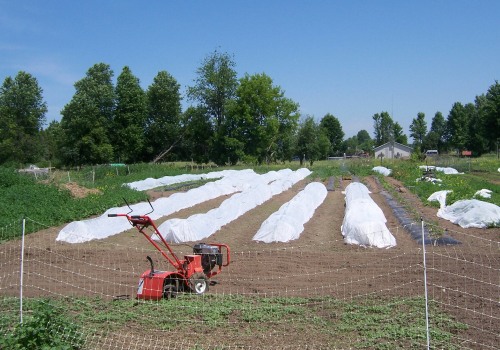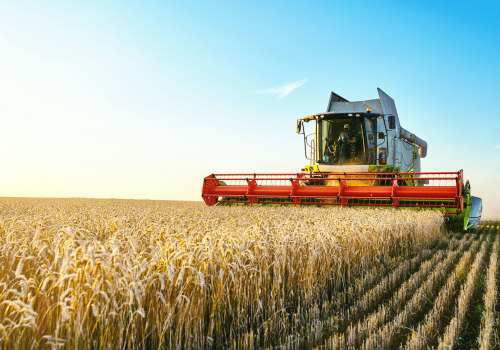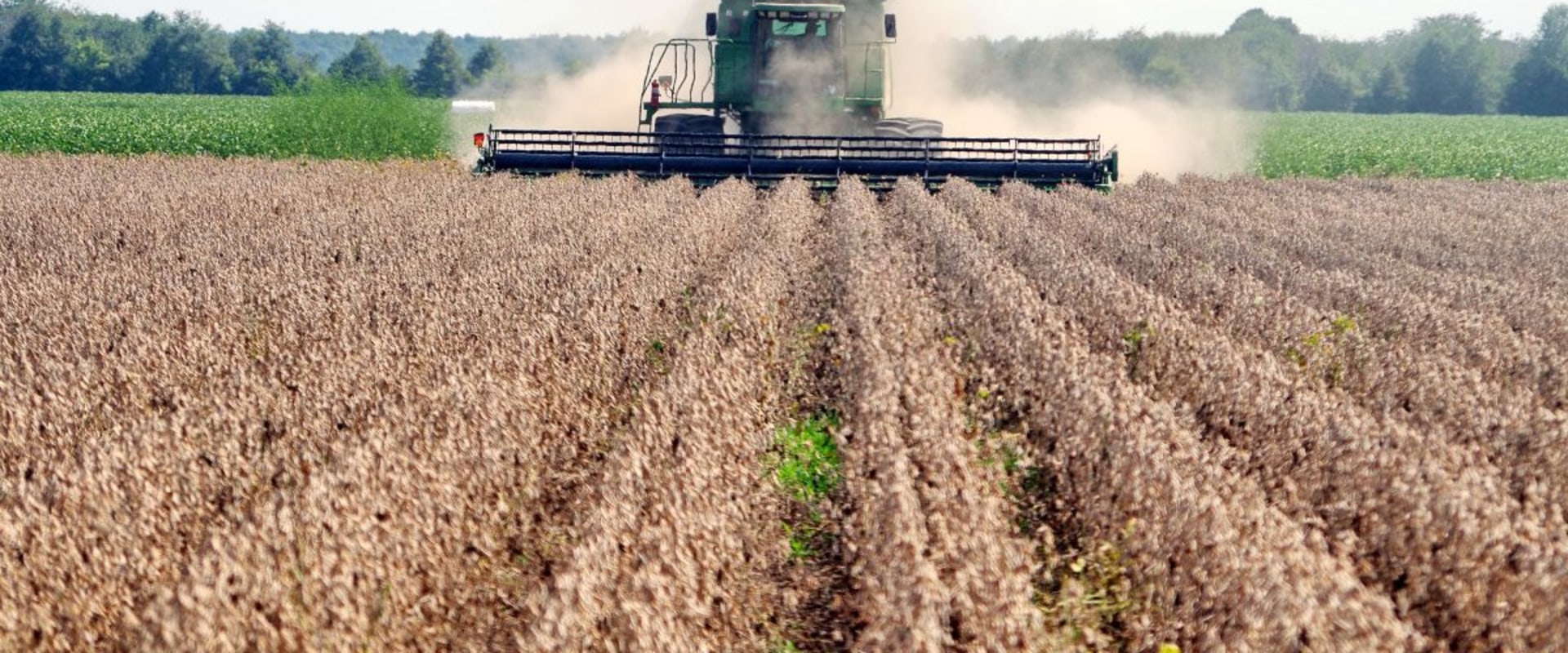
In the ever-evolving world of agriculture, medium-sized farms occupy a unique and pivotal position. These farms, typically defined as those ranging from 100 to 1,000 acres, serve as a bridge between small family-run operations and large-scale industrial farms. Understanding the landscape of medium-sized farms is essential for grasping their potential for profitability and sustainability in today’s agricultural economy. As we delve into this topic, it becomes clear that medium-sized farms are not just a middle ground; they are often the most adaptable and innovative players in the agricultural sector.The agricultural landscape is marked by a variety of challenges and opportunities, influenced by factors such as market demand, technological advancements, and environmental considerations.
Medium-sized farms are uniquely positioned to leverage these dynamics. They can implement modern farming techniques while maintaining the personal touch that often characterizes smaller operations. This adaptability allows them to respond quickly to changing consumer preferences, such as the growing demand for organic produce or locally sourced foods.Moreover, medium-sized farms benefit from economies of scale that smaller farms may struggle to achieve. They can invest in advanced machinery and technology that enhance productivity without incurring the overwhelming costs associated with large-scale operations.
This balance enables them to optimize their resources effectively, leading to improved yields and profitability. As we explore the various aspects of medium-sized farming, it is crucial to recognize how these farms can capitalize on their unique advantages to thrive in a competitive market.
Defining Medium-Sized Farms: Characteristics and Metrics
Understanding what constitutes a medium-sized farm is essential for evaluating its potential profitability. While definitions can vary by region and agricultural sector, several key metrics help classify these farms.Acreage
is one of the primary factors in defining a medium-sized farm. Generally, a medium-sized farm ranges from 100 to 1,000 acres, depending on the type of crops or livestock being produced.
For instance, a medium-sized grain farm may encompass more acreage than a vegetable farm due to the differing space requirements for various crops.
Revenue
is another critical metric. Medium-sized farms typically generate annual revenues between $250,000 and $1 million. This revenue range allows them to maintain a sustainable operation while also providing opportunities for growth and investment in technology and infrastructure.
Production capacity
also plays a significant role in defining medium-sized farms. These farms often employ a mix of traditional and modern farming techniques, allowing them to produce a diverse array of products.
This diversity not only helps mitigate risks associated with market fluctuations but also enhances their appeal to consumers seeking locally sourced goods.In addition to these metrics, several characteristics distinguish medium-sized farms:
- Diverse Crop Production: Many medium-sized farms cultivate multiple crops or raise various livestock, which can lead to increased resilience against market changes.
- Community Engagement: Medium-sized farms often have stronger ties to their local communities, participating in farmers' markets and local food systems.
- Access to Technology: These farms are more likely to adopt innovative technologies that enhance productivity and sustainability compared to smaller operations.
- Labor Force: Medium-sized farms typically employ a mix of family labor and hired hands, allowing for flexibility in managing seasonal demands.
The Economic Advantages of Medium-Sized Farms
Medium-sized farms occupy a unique position in the agricultural landscape, offering a range of economic advantages that can significantly enhance their profitability compared to both small and large farms. Understanding these advantages is crucial for aspiring farmers and investors looking to make informed decisions in the agricultural sector.One of the primary benefits of medium-sized farms is their ability to achieve cost control. Unlike small farms, which may struggle with economies of scale, medium-sized operations can purchase inputs in bulk, reducing per-unit costs. . Unlike small farms, which may struggle with economies of scale, medium-sized operations can purchase inputs in bulk, reducing per-unit costs.This bulk purchasing power allows them to negotiate better prices with suppliers, ultimately leading to lower operating expenses. Additionally, medium-sized farms often have the flexibility to diversify their crop production, which can mitigate risks associated with market fluctuations and crop failures.Another significant advantage is market access. Medium-sized farms are typically large enough to meet the demands of wholesale markets while still being nimble enough to adapt to changing consumer preferences. This adaptability enables them to tap into niche markets, such as organic or locally sourced products, which can command higher prices.
Furthermore, they can establish direct relationships with consumers through farmers' markets or community-supported agriculture (CSA) programs, enhancing their profit margins.Operational flexibility is another key factor contributing to the profitability of medium-sized farms. These farms can implement modern technologies and practices without the overwhelming capital investment required by large-scale operations. For instance, they can adopt precision agriculture techniques that optimize resource use and increase yields without incurring excessive costs. This flexibility allows medium-sized farms to respond quickly to market demands and environmental changes, ensuring sustained profitability.Moreover, medium-sized farms often benefit from a strong sense of community and support networks.
They are more likely to engage with local agricultural organizations and cooperatives that provide resources, training, and access to funding opportunities. This community engagement not only enhances their operational capabilities but also fosters innovation and collaboration within the agricultural sector.In conclusion, the economic advantages of medium-sized farms are multifaceted. From cost control and market access to operational flexibility and community support, these factors collectively contribute to their potential for profitability. As the agricultural landscape continues to evolve, medium-sized farms are well-positioned to thrive by leveraging these economic benefits.
Market Trends Favoring Medium-Sized Farms
In recent years, the agricultural landscape has undergone significant transformations, with medium-sized farms emerging as key players in meeting evolving market demands.One of the most notable trends is the increasing consumer preference for local and organic produce. This shift is driven by a growing awareness of health and environmental issues, prompting consumers to seek out food sources that are not only fresh but also sustainably produced.As consumers become more conscious of their food choices, they are gravitating towards products that support local economies and reduce carbon footprints associated with long-distance transportation. Medium-sized farms are uniquely positioned to capitalize on this trend due to their ability to provide fresh produce directly to local markets, restaurants, and community-supported agriculture (CSA) programs. This direct-to-consumer approach not only enhances profitability but also fosters a sense of community connection.Moreover, the rise of farmers' markets has created new avenues for medium-sized farms to access consumers.
These markets allow farmers to engage with customers face-to-face, share their farming practices, and build brand loyalty. The personal interaction often leads to higher sales margins compared to traditional wholesale channels. According to recent studies, farmers' markets have seen a surge in attendance, indicating a robust demand for locally sourced products.Additionally, the digital age has transformed how consumers discover and purchase food. Online platforms and social media have made it easier for medium-sized farms to market their products directly to consumers.
By leveraging these tools, farmers can showcase their offerings, share stories about their farming practices, and connect with a broader audience. This not only increases visibility but also allows for targeted marketing strategies that resonate with health-conscious consumers.In conclusion, the current market trends favoring local and organic produce present a significant opportunity for medium-sized farms. By aligning their operations with consumer preferences and utilizing innovative marketing strategies, these farms can enhance their profitability while contributing positively to local communities and sustainable agriculture.
Technological Innovations and Their Impact on Medium-Sized Farms
In recent years, technological innovations have played a pivotal role in transforming the landscape of medium-sized farms. These advancements not only enhance productivity but also contribute to sustainability and profitability.As farmers increasingly adopt new technologies, they are finding innovative ways to optimize their operations and meet the growing demands of the market.
Advancements in Machinery
Modern machinery has revolutionized farming practices, allowing medium-sized farms to operate more efficiently. For instance, precision agriculture tools, such as GPS-guided tractors and automated planting systems, enable farmers to apply inputs like seeds and fertilizers with pinpoint accuracy. This not only reduces waste but also minimizes environmental impact.Additionally, advancements in drone technology have provided farmers with aerial imagery that helps in monitoring crop health and assessing field conditions. Drones can quickly cover large areas, providing real-time data that aids in decision-making processes.This capability allows medium-sized farms to respond swiftly to issues such as pest infestations or nutrient deficiencies.
Data Analytics for Enhanced Decision-Making
The integration of data analytics into farming practices is another significant trend impacting medium-sized farms. By utilizing software platforms that analyze data from various sources—such as weather patterns, soil conditions, and crop performance—farmers can make informed decisions that enhance productivity.For example, predictive analytics can forecast crop yields based on historical data and current conditions, allowing farmers to plan their resources more effectively. This level of insight helps in optimizing planting schedules and managing labor costs, ultimately leading to increased profitability.Sustainable Practices Through Technology
Sustainability is a growing concern in agriculture, and technology is paving the way for more environmentally friendly practices. Medium-sized farms are increasingly adopting sustainable farming technologiessustainable farming technologies , such as drip irrigation systems that conserve water and reduce runoff.These systems deliver water directly to the plant roots, ensuring efficient use of this precious resource.Moreover, the use of biotechnology in crop production has led to the development of pest-resistant varieties that require fewer chemical inputs. This not only lowers production costs but also aligns with consumer preferences for organic and sustainably produced food.In conclusion, the impact of technological innovations on medium-sized farms cannot be overstated. From advanced machinery to data analytics and sustainable practices, these technologies are enhancing farm efficiency and profitability while addressing environmental concerns. As the agricultural sector continues to evolve, embracing these innovations will be crucial for medium-sized farms aiming for long-term success.
Challenges Faced by Medium-Sized Farms and Solutions
Medium-sized farms often find themselves navigating a complex landscape filled with unique challenges that can hinder their profitability.Understanding these obstacles is crucial for farmers looking to optimize their operations and ensure long-term success.One of the primary challenges faced by medium-sized farms is access to capital. Unlike larger agricultural enterprises that can leverage significant financial resources, medium-sized farms may struggle to secure funding for essential investments in equipment, technology, and infrastructure. This limitation can stifle growth and innovation, making it difficult to compete effectively in the market.Another significant hurdle is market competition. Medium-sized farms often compete against both large-scale operations that benefit from economies of scale and smaller farms that may focus on niche markets.
This dual competition can pressure pricing strategies and profit margins, forcing medium-sized farms to find innovative ways to differentiate their products.To overcome these challenges, medium-sized farms can adopt several strategies:
- Diversification of Products: By expanding their product offerings, medium-sized farms can tap into new markets and reduce reliance on a single crop or livestock type. This approach not only mitigates risk but also attracts a broader customer base.
- Utilizing Technology: Investing in modern agricultural technologies such as precision farming tools can enhance efficiency and productivity. These technologies help in optimizing resource use, reducing waste, and ultimately lowering operating costs.
- Building Stronger Networks: Establishing connections with local businesses, cooperatives, and agricultural organizations can provide medium-sized farms with valuable resources and support. These networks can facilitate access to capital, market information, and collaborative opportunities.
- Implementing Sustainable Practices: Adopting sustainable farming practices not only appeals to environmentally conscious consumers but can also lead to cost savings in the long run.
Practices such as crop rotation, organic farming, and integrated pest management can improve soil health and reduce dependency on chemical inputs.
Case Studies: Successful Medium-Sized Farms in Action
Understanding the potential of medium-sized farms for profitability can be greatly enhanced by examining real-life case studies. These examples not only highlight successful strategies but also provide insights into the diverse approaches that can lead to financial success in agriculture.Case Study 1: Green Valley Farms
Located in the Midwest, Green Valley Farms is a prime example of a medium-sized farm that has thrived by diversifying its crop production. Initially focused solely on corn and soybeans, the farm's owners recognized the need to adapt to changing market demands.By incorporating organic vegetables and herbs into their offerings, they tapped into a growing consumer trend towards healthier eating.
- Key Strategies:
- Diversification of crops to include organic produce.
- Utilization of local farmers' markets to sell directly to consumers.
- Investment in sustainable farming practices to enhance soil health and reduce costs.
- Outcomes: The farm reported a 30% increase in revenue within two years, demonstrating the effectiveness of adapting to consumer preferences.
Case Study 2: Sunny Acres Dairy
Sunny Acres Dairy
, situated in California, showcases how medium-sized dairy farms can achieve profitability through innovation and technology. By implementing automated milking systems and precision feeding techniques, they have significantly reduced labor costs while increasing milk production efficiency.
- Key Strategies:
- Adoption of technology for milking and feeding processes.
- Focus on animal welfare to improve herd health and productivity.
- Engagement in community-supported agriculture (CSA) programs to build a loyal customer base.
- Outcomes: Sunny Acres has seen a 25% reduction in operational costs and a 15% increase in milk yield, proving that investment in technology can lead to substantial financial gains.
Case Study 3: Hilltop Vineyard
Hilltop Vineyard
, a medium-sized winery in Oregon, illustrates the importance of branding and marketing in achieving profitability. By focusing on high-quality wine production and establishing a strong brand identity, they have successfully penetrated both local and international markets.
- Key Strategies:
- Emphasis on quality over quantity in wine production.
- Effective use of social media and online marketing to reach broader audiences.
- Hosting vineyard tours and tastings to enhance customer experience and loyalty.
- Outcomes: Hilltop Vineyard has experienced a 40% increase in sales over three years, demonstrating how effective marketing strategies can elevate a medium-sized farm's profitability.
Future Outlook: The Role of Medium-Sized Farms in Sustainable Agriculture
The future of farming is increasingly intertwined with the principles of sustainability, and medium-sized farms are uniquely positioned to lead this charge.As the agricultural landscape evolves, these farms can adopt innovative practices that not only enhance profitability but also promote environmental stewardship.One of the most significant advantages of medium-sized farms is their ability to implement sustainable agriculture practices effectively. Unlike large-scale operations that may prioritize efficiency over ecological balance, medium farms can focus on integrating sustainable methods tailored to their specific contexts. This includes:
- Crop Rotation: By rotating crops, medium-sized farms can improve soil health, reduce pest populations, and enhance biodiversity. This practice minimizes the need for chemical fertilizers and pesticides, leading to healthier ecosystems.
- Agroecology: Emphasizing the relationship between agriculture and ecological systems, agroecological practices can be more easily adopted by medium farms.
These practices include using cover crops, intercropping, and organic farming techniques that enhance soil fertility and reduce environmental impact.
- Water Conservation: Medium-sized farms often have the flexibility to implement advanced irrigation techniques such as drip irrigation or rainwater harvesting systems. These methods not only conserve water but also ensure that crops receive adequate moisture without wastage.
- Integrated Pest Management (IPM): By utilizing IPM strategies, medium farms can manage pests in a way that minimizes chemical use while maintaining crop yields. This approach promotes a balanced ecosystem and reduces reliance on synthetic pesticides.
This not only supports local economies but also fosters a connection between consumers and their food sources.The integration of technology further enhances the potential of medium-sized farms in sustainable agriculture. Precision farming tools, such as soil sensors and data analytics, allow farmers to make informed decisions that optimize resource use while minimizing environmental impact. These technologies can be more accessible to medium-sized operations compared to larger enterprises that may have more capital for extensive technological investments.In conclusion, as we look toward the future of farming, medium-sized farms stand at the forefront of sustainable agriculture. Their ability to adopt environmentally friendly practices while remaining profitable positions them as key players in creating a resilient agricultural system that benefits both people and the planet.
Conclusion: Embracing the Potential of Medium-Sized Farms for Profitability
In summary, the landscape of agriculture is evolving, and medium-sized farms are emerging as a beacon of profitability and sustainability.Throughout this article, we have explored various factors that contribute to the success of these farms, highlighting their unique advantages over both small and large-scale operations.One of the most compelling reasons to consider medium-sized farms is their ability to balance efficiency with personal touch. These farms can leverage technology and modern farming practices while still maintaining a connection to their local communities. This connection not only fosters customer loyalty but also allows for better market responsiveness, which is crucial in today’s fast-paced agricultural environment.Moreover, medium-sized farms often have easier access to capital compared to their smaller counterparts. This financial flexibility enables them to invest in advanced machinery, sustainable practices, and innovative marketing strategies that can significantly enhance profitability.
As we discussed, the allocation of resources towards specific crops and the management of operating costs are critical components that can lead to financial success.Additionally, the potential for diversification in product offerings allows medium-sized farms to mitigate risks associated with market fluctuations. By producing a variety of crops or engaging in value-added products, these farms can create multiple revenue streams, further solidifying their financial stability.As we look towards the future of agriculture, it is essential for aspiring farmers and current operators to recognize the opportunities that medium-sized farms present. With the right strategies in place—such as effective marketing, cost control measures, and investment in technology—these farms can thrive and contribute significantly to local economies.In conclusion, embracing the potential of medium-sized farms is not just a viable option; it is a strategic move towards a more sustainable and profitable agricultural future. For those considering entering this field or expanding their existing operations, focusing on medium-scale agriculture could very well be the key to unlocking long-term success.