The term farm evokes images of vast landscapes, where the earth is tilled and nurtured to yield sustenance for communities. But beyond its picturesque representation lies a rich tapestry of history and meaning that has evolved over centuries. Understanding the concept of a farm is not merely about recognizing it as a place where crops are grown or animals are raised; it encompasses a broader narrative that intertwines with human civilization itself.Historically, the word farm has roots that trace back to ancient languages, reflecting humanity's relationship with the land. The evolution of this term mirrors the advancements in agricultural practices and societal structures.
From primitive subsistence farming to modern industrial agriculture, the meaning of a farm has transformed significantly, adapting to the needs and technologies of each era. This transformation is not just linguistic; it represents a shift in how societies view food production, land ownership, and community sustainability.As we delve deeper into the etymology and significance of the word farm, we uncover layers of cultural importance that extend beyond mere definitions. Farms have been central to economic development, social organization, and even environmental stewardship. They serve as a foundation for rural life and play a crucial role in feeding populations across the globe.
By exploring the history of farms, we can appreciate their enduring legacy and understand their vital role in shaping our world today.
Etymology of the Word 'Farm'
The word ‘farm’ has a rich and layered history that reflects the evolution of agricultural practices and societal structures over centuries. Its etymology can be traced back to the Old English term ‘feorm’, which primarily meant ‘food’ or ‘provision.’ This early usage highlights the fundamental role that farming played in sustaining communities and providing for their basic needs.As language evolved, so did the meaning of ‘farm’. By the time we reach the 14th century, the term had transformed into ‘ferme’, which referred specifically to a piece of land used for agricultural purposes. This shift indicates a growing recognition of land not just as a resource, but as a vital component of economic and social life.The connection between land and sustenance became increasingly pronounced, as societies began to organize around agricultural production.Interestingly, the word ‘farm’ is also linked to the Latin word ‘firmus’, meaning ‘strong’ or ‘stable.’ This relationship underscores the idea that farms are built on solid foundations—both literally and metaphorically. The strength of a farm lies not only in its physical structure but also in the resilience and hard work of those who cultivate it.Throughout history, the concept of a farm has been shaped by various cultural influences. In medieval Europe, for instance, farms were often associated with feudal systems where land was owned by nobility and worked by peasants. These farms, known as manors, were self-sufficient entities that produced everything necessary for daily life, from food to clothing.The transition from these feudal farms to modern family-owned farms marks another significant evolution in the term’s usage.
The Industrial Revolution brought about technological advancements that changed farming practices dramatically. As machinery became more prevalent, the efficiency of farms increased, leading to a new understanding of what it meant to farm.Today, when we refer to a ‘farm’, we encompass a wide range of agricultural operations—from small family-run plots to expansive commercial enterprises. Each iteration of the word carries with it echoes of its historical roots, reminding us that farming is not merely an economic activity but a vital part of our cultural heritage.
The Historical Context of Farming Practices
The history of farming is a fascinating journey that reflects the evolution of human civilization itself. From the earliest days of hunter-gatherer societies to the complex agricultural systems we see today, farming practices have undergone significant transformations that have shaped societies and economies around the world.In ancient times, agriculture began as a means of survival.Early humans relied on foraging and hunting, but as populations grew, the need for a more stable food source became apparent. This led to the domestication of plants and animals around 10,000 BC in regions such as the Fertile Crescent, which includes parts of modern-day Iraq, Syria, Lebanon, Israel, and Jordan. Here, early farmers cultivated grains like wheat and barley and domesticated animals such as sheep and goats.As civilizations developed, so did farming techniques. The Egyptians, for instance, mastered irrigation along the Nile River, allowing them to cultivate crops in an otherwise arid environment.
This innovation not only increased food production but also supported the growth of one of history's most remarkable civilizations. Similarly, in Mesopotamia, the Sumerians developed advanced agricultural practices that included crop rotation and the use of plows made from wood and metal.By 3000 BC, agriculture had spread to other parts of the world, including China and the Americas. In China, rice cultivation became prominent in river valleys, while in Mesoamerica, civilizations like the Maya and Aztecs practiced slash-and-burn agriculture to clear land for crops such as maize and beans.The Middle Ages saw further advancements in farming techniques across Europe. The introduction of the three-field system allowed farmers to rotate crops more effectively, improving soil fertility and increasing yields.
Additionally, innovations such as the heavy plow and horse collar revolutionized farming efficiency.With the onset of the Industrial Revolution in the 18th century, farming underwent another dramatic shift. Mechanization transformed agriculture from a labor-intensive practice into a more efficient industry. The invention of machines like the seed drill and mechanical reaper allowed farmers to cultivate larger areas with less manual labor.Today, modern farming practices continue to evolve with advancements in technology and sustainability efforts. Precision agriculture utilizes data analytics and GPS technology to optimize crop yields while minimizing environmental impact.
As we look back at the historical context of farming practices, it becomes clear that agriculture is not just about food production; it is a vital component of human history that has influenced social structures, economies, and cultures throughout time.
Farming in Ancient Civilizations
Farming has been a cornerstone of human civilization since its inception, particularly in ancient societies where agriculture was not just a means of sustenance but also a catalyst for economic and social development. Two of the most notable ancient civilizations that exemplified this are Egypt and Mesopotamia .Egyptian Agriculture
The fertile banks of the Nile River provided the perfect environment for agriculture in ancient Egypt. The annual flooding of the Nile deposited nutrient-rich silt onto the land, making it exceptionally suitable for farming. Egyptians cultivated a variety of crops, including wheat, barley, flax, and papyrus.
The reliance on the Nile's predictable flooding cycle allowed farmers to develop a sophisticated calendar that dictated planting and harvesting times.Farmers utilized simple yet effective tools such as wooden plows and sickles to maximize their yield. They also practiced crop rotation and irrigation techniques to enhance productivity. The surplus of food produced not only supported the local population but also enabled trade with neighboring regions, fostering economic growth.
Agriculture in Mesopotamia
In Mesopotamia, often referred to as the "Cradle of Civilization," agriculture was equally vital. The region, located between the Tigris and Euphrates rivers, faced challenges such as unpredictable flooding and droughts.
To combat these issues, Mesopotamians developed advanced irrigation systems that included canals and reservoirs. This innovation allowed them to control water flow and ensure consistent crop production.The Mesopotamian farmers grew staples like barley, wheat, and legumes, which formed the basis of their diet. They also domesticated animals such as sheep and goats for meat, milk, and wool. The agricultural surplus generated by these practices led to the rise of cities and complex societies, as it allowed people to specialize in various trades beyond farming.Both Egyptian and Mesopotamian civilizations illustrate how agriculture was not merely about growing food; it was integral to their cultural identity and economic stability.
The innovations in farming techniques during these times laid the groundwork for future agricultural practices and shaped the course of human history.
The Middle Ages: Feudalism and Farming
During the Middle Ages, the structure of society was heavily influenced by the system of feudalism, which had profound implications for farming and agricultural practices. This hierarchical system was characterized by a network of obligations and land ownership that shaped the way communities interacted with the land and each other.At the heart of feudalism was the manor system , where large estates were owned by lords or nobles. These manors were self-sufficient units that included not only farmland but also villages, forests, and sometimes even mills. The lord of the manor had control over the land and its resources, while peasants, often referred to as serfs, worked the land in exchange for protection and a place to live.The relationship between lords and serfs was defined by a series of obligations.Serfs were bound to the land and could not leave without permission. In return for their labor, they received a small plot of land to cultivate for their own needs, along with protection from external threats. This arrangement created a stable but rigid social structure that dictated agricultural practices.
- Crop Rotation: To maximize productivity, medieval farmers employed crop rotation techniques. This method involved alternating different crops in a field to maintain soil fertility and reduce pest infestations.
- Common Land: Many manors included common lands where serfs could graze livestock or gather firewood.
This communal resource was vital for subsistence, especially during harsh winters.
- Technological Innovations: The period also saw advancements in farming tools, such as the heavy plow and horse collar, which improved efficiency and allowed for deeper tilling of the soil.
Understanding this historical context provides valuable insight into the evolution of farming practices that continue to influence agriculture today.
The Rise of Family Farms in the 18th and 19th Centuries
The 18th and 19th centuries marked a pivotal era in the history of agriculture, particularly with the emergence of family farms. This period was characterized by significant transformations driven by the Industrial Revolution, which fundamentally altered farming practices and the landscape of rural life.As industrialization took hold, new technologies began to reshape agricultural methods. The introduction of machinery such as the seed drill, invented by Jethro Tull in the early 1700s, allowed for more efficient planting of crops. This innovation not only increased crop yields but also reduced the labor required for sowing seeds.Additionally, the mechanization of tasks like threshing and plowing further enhanced productivity on family farms.During this time, many families transitioned from subsistence farming to more commercial operations. The rise of family farms was largely a response to the growing demand for food due to urbanization and population growth. As people flocked to cities for work in factories, the need for a reliable food supply became increasingly critical. Family farms began to specialize in certain crops and livestock, allowing them to cater to local markets and urban centers.Moreover, advancements in transportation played a crucial role in this transformation.
The development of railroads and improved road systems enabled farmers to transport their goods more efficiently than ever before. This connectivity opened up new markets for family farms, allowing them to sell their produce beyond local boundaries and increasing their economic viability.However, this shift was not without challenges. The competition from larger agricultural enterprises began to emerge, leading some family farms to struggle against the pressures of industrialized agriculture. Despite these challenges, many families adapted by diversifying their operations or embracing new technologies that enhanced their productivity.In summary, the rise of family farms during the 18th and 19th centuries was a direct result of the technological advancements brought about by the Industrial Revolution.
These changes not only improved agricultural efficiency but also reshaped rural communities, laying the groundwork for modern farming practices that continue to evolve today.
'Farm' in American Culture: Immigration and Adaptation
The concept of a farm in American culture is deeply intertwined with the stories of immigrants who brought their agricultural practices and traditions to the United States. As waves of immigrants arrived from various parts of the world, they not only sought new opportunities but also carried with them unique farming techniques that would significantly influence American agriculture.In the 19th and early 20th centuries, immigrants from Europe, Asia, and Latin America settled in rural areas, transforming the agricultural landscape. Each group introduced distinct methods of farming that reflected their cultural heritage. For instance:- German immigrants were known for their expertise in brewing and dairy farming, contributing to the rise of the American beer industry and the establishment of dairy farms across the Midwest.
- Italian farmers brought with them a wealth of knowledge about growing fruits and vegetables, particularly in regions like California, where they cultivated vineyards and orchards that are now iconic.
- Chinese immigrants , who initially worked on railroads, later turned to agriculture, introducing rice cultivation techniques that adapted well to certain regions of the U.
S.
- Mexican laborers have played a crucial role in modern agriculture, particularly in the Southwest, where they have contributed to the cultivation of crops such as tomatoes, peppers, and avocados.
For example, Italian pasta dishes often feature fresh vegetables grown by Italian farmers, while Mexican cuisine incorporates ingredients cultivated by Mexican laborers.In conclusion, the evolution of the farm in American culture is a testament to the rich tapestry of immigrant experiences. Their diverse farming methods not only transformed agricultural practices but also contributed to a broader cultural identity that celebrates diversity and innovation in food production.
'Modern Farming': The 20th Century Transformation
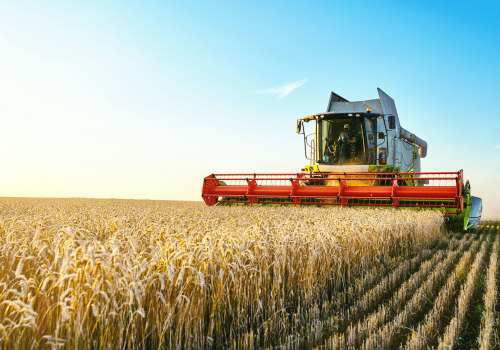
The 20th century marked a pivotal era in the evolution of agriculture, characterized by the rise of modern farming practices that fundamentally transformed how food is produced. This transformation was largely driven by the advent of industrial agriculture , which introduced new technologies and methodologies aimed at increasing efficiency and output.One of the most significant changes during this period was the mechanization of farming. Tractors and other machinery replaced traditional hand tools, allowing farmers to cultivate larger areas of land with less labor.This shift not only increased productivity but also changed the landscape of rural life, as fewer workers were needed on farms. The introduction of equipment such as combine harvesters revolutionized crop harvesting, enabling farmers to gather their produce more quickly and efficiently than ever before.In addition to mechanization, the 20th century saw a surge in the use of chemical fertilizers and pesticides. These substances were developed to enhance crop yields and protect against pests, leading to a significant increase in agricultural productivity. However, this reliance on chemicals has raised important questions about sustainability and environmental impact.
The long-term effects of chemical runoff on soil health and water quality have become critical issues that modern farmers must navigate.Furthermore, advancements in biotechnology have played a crucial role in shaping modern farming practices. The development of genetically modified organisms (GMOs) has allowed for the creation of crops that are resistant to pests, diseases, and harsh environmental conditions. While these innovations have the potential to increase food security, they have also sparked debates regarding safety, ethics, and biodiversity.As we moved into the late 20th century, the concept of sustainable agriculture began to gain traction. Farmers started to explore methods that would minimize environmental impact while still meeting the demands of a growing population.
Practices such as crop rotation, organic farming, and integrated pest management emerged as alternatives to conventional industrial methods.Today, modern farming continues to evolve with the integration of technology such as precision agriculture. This approach utilizes data analytics, GPS technology, and drones to optimize farming practices by monitoring crop health and soil conditions in real-time. Such innovations not only enhance productivity but also promote more sustainable practices by reducing waste and resource consumption.In conclusion, the transformation of agriculture during the 20th century has laid the groundwork for contemporary farming practices. While industrial agriculture has significantly increased food production, it has also prompted critical discussions about sustainability and environmental stewardship that continue to shape the future of farming.
'Farm' Today: Current Trends and Practices
In the modern landscape of agriculture, the term farm has evolved to encompass a diverse array of practices and operations.Today, farms range from small family-owned enterprises to expansive commercial operations, each contributing uniquely to the agricultural sector. Understanding the current trends in farming is essential for grasping how these practices impact our society and environment.One of the most significant trends in contemporary farming is the shift towards sustainable agriculture. This approach emphasizes practices that are environmentally friendly, economically viable, and socially responsible. Farmers are increasingly adopting methods that reduce chemical inputs, conserve water, and promote biodiversity.
Techniques such as crop rotation, cover cropping, and integrated pest management are becoming more common as farmers seek to minimize their ecological footprint while maintaining productivity.Another notable trend is the rise of organic farming. With growing consumer demand for organic products, many farms are transitioning away from conventional methods. Organic farming not only avoids synthetic pesticides and fertilizers but also focuses on enhancing soil health through natural amendments and sustainable practices. This shift has led to a significant increase in organic farms across the United States, reflecting a broader societal movement towards health-conscious eating.Additionally, technology plays a crucial role in modern farming practices.
The integration of precision agriculture—utilizing GPS technology, drones, and data analytics—allows farmers to optimize their operations. By monitoring crop health and soil conditions in real-time, farmers can make informed decisions that enhance yield while conserving resources.Moreover, the concept of urban farming has gained traction in recent years. As cities expand and populations grow, urban farms are emerging as innovative solutions to food insecurity. These farms often utilize vertical gardening techniques and hydroponics to produce fresh food within city limits, reducing transportation costs and providing local communities with access to nutritious produce.In summary, the landscape of farming today is marked by a commitment to sustainability, technological advancement, and community engagement.
As we continue to navigate the challenges of food production in a changing world, understanding these trends will be vital for fostering a resilient agricultural future.
'The Legacy of Farming': Cultural and Economic Importance
The legacy of farming extends far beyond the fields and crops; it is deeply woven into the fabric of our culture and economy. Agriculture has been a cornerstone of human civilization, providing not only sustenance but also shaping social structures, traditions, and economic systems.Food Security
At its core, farming is essential for food security. It ensures that communities have access to a stable supply of food, which is vital for health and well-being. As populations grow and urbanize, the role of farms in producing nutritious food becomes increasingly critical.
Local farms contribute to this security by offering fresh produce, reducing reliance on imported goods, and minimizing the carbon footprint associated with long-distance transportation.
Economic Stability
The economic importance of agriculture cannot be overstated. Farms create jobs, not only in farming itself but also in related industries such as processing, distribution, and retail. According to the USDA, agriculture contributes significantly to the national economy, supporting millions of jobs across various sectors. Furthermore, farms often stimulate local economies by attracting businesses that provide services and products to farmers and their families.
Cultural Significance
Farms also hold immense cultural significance.
They are often seen as symbols of heritage and tradition, representing a way of life that has been passed down through generations. Many communities celebrate their agricultural roots through festivals, fairs, and local markets that showcase regional produce and crafts. These events not only honor farming traditions but also foster community spirit and connection among residents.Moreover, farms serve as educational platforms where people can learn about sustainable practices, biodiversity, and the importance of local food systems. Initiatives such as community-supported agriculture (CSA) programs encourage consumers to engage directly with farmers, fostering a deeper appreciation for the work that goes into food production.In conclusion, the legacy of farming is multifaceted, encompassing vital aspects of food security, economic stability, and cultural heritage.
As we navigate modern challenges such as climate change and population growth, recognizing and supporting the importance of agriculture will be crucial for ensuring a sustainable future for generations to come.
'Frequently Asked Questions about Farms'
Farms are integral to our society, yet many people have questions about their role and evolution. Here are some frequently asked questions that shed light on the significance of farms and the farming industry.What is a farm?
A farm is defined as a tract of land dedicated to agricultural practices, where crops are cultivated and animals are raised for food, fiber, and other products. Farms can vary significantly in size and type, ranging from small family-owned operations to large commercial enterprises. They may focus on a single crop or livestock type or engage in diversified farming, producing multiple products simultaneously.The primary goal of a farm is to generate food and resources that sustain communities and contribute to the economy.
How has farming changed?
Farming has undergone remarkable transformations over the centuries. Initially, agriculture was characterized by subsistence farming, where families grew just enough food to meet their needs. However, with advancements in technology and changes in societal structures, farming has evolved into a more complex industry.- Technological Advancements: The introduction of machinery such as tractors, harvesters, and irrigation systems has significantly increased efficiency and productivity on farms.
- Industrial Agriculture: The 20th century saw the rise of industrial agriculture, which emphasizes large-scale production and often relies on chemical fertilizers and pesticides to maximize yields.
- Sustainable Practices: In response to environmental concerns, many farmers are now adopting sustainable practices that focus on soil health, biodiversity, and reducing chemical inputs.
Why is farming important?
The importance of farming extends beyond mere food production. Here are several key reasons why farming is vital:- Food Security: Farms provide the essential food supply that sustains populations worldwide.
Without farms, communities would struggle to access nutritious food.
- Economic Contribution: Agriculture is a significant sector of the economy, providing jobs and supporting local businesses. It contributes to both rural and urban economies through various supply chains.
- Cultural Heritage: Farming practices are often tied to cultural identities and traditions. Many communities celebrate their agricultural heritage through festivals and local markets.
- Environmental Stewardship: Responsible farming practices can enhance biodiversity, improve soil health, and contribute to ecosystem services that benefit the environment.
'Conclusion: Reflecting on the Evolution of 'Farm'
As we conclude our exploration of the word 'farm' and its evolution, it becomes clear that this term is more than just a label for a piece of land dedicated to agriculture. It encapsulates a rich tapestry of history, culture, and human ingenuity.From its origins in Old English as 'feorm', meaning food or provision, to its current usage that signifies a vital component of our economy and lifestyle, the journey of the word 'farm' mirrors the development of agricultural practices throughout the ages.The transformation of farming practices—from ancient subsistence methods to modern industrial agriculture—highlights the adaptability and resilience of farmers across generations. Each era brought about significant advancements, whether through the introduction of new technologies or shifts in societal structures, such as the rise of family farms during the Industrial Revolution. Understanding this evolution is crucial not only for appreciating our agricultural heritage but also for recognizing the challenges and opportunities that lie ahead in sustainable farming.Moreover, reflecting on the history of 'farm' allows us to grasp the interconnectedness of food production and community well-being. Farms have historically served as the backbone of societies, providing sustenance and fostering economic stability.
Today, as we face pressing issues like climate change and food security, revisiting the lessons learned from our agricultural past can guide us toward more sustainable practices.In summary, the evolution of 'farm' is a testament to human progress and adaptability. It serves as a reminder that our relationship with the land is not static but rather a dynamic interplay shaped by cultural, technological, and environmental factors. By understanding this history, we can better appreciate the significance of farms in our lives today and work towards a future where agriculture continues to thrive in harmony with nature.