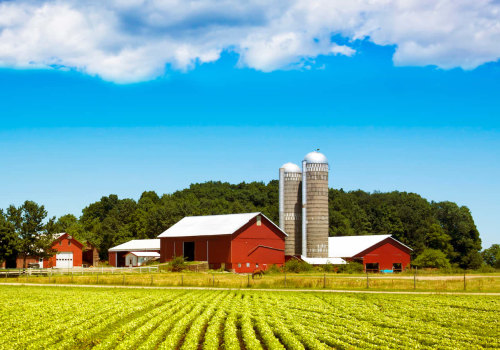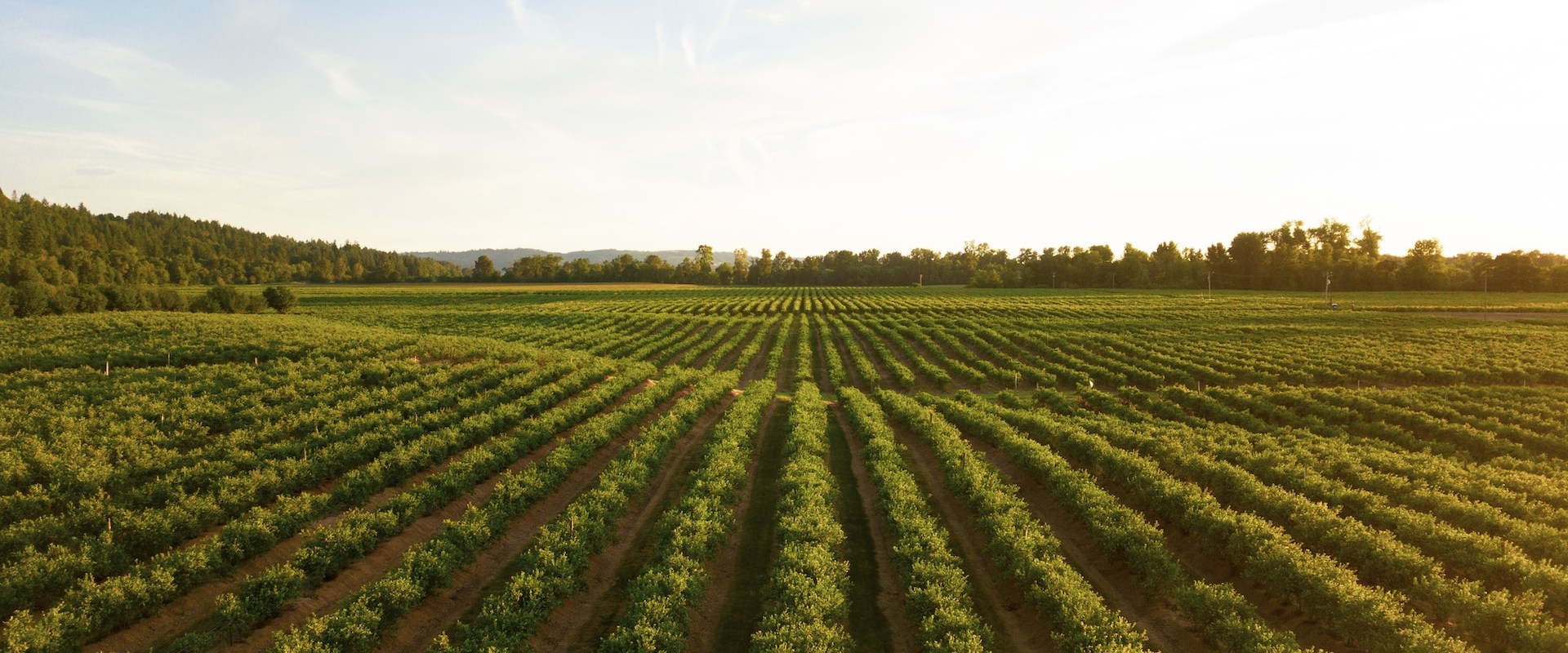
Farming is a cornerstone of human civilization, serving as the primary means by which we produce food, fiber, and other essential resources. At its core, a farm is defined as a tract of land dedicated to the cultivation of crops and the rearing of animals for sustenance and economic gain. However, the concept of a farm extends far beyond this basic definition, encompassing a diverse array of practices, systems, and philosophies that reflect the intricate relationship between humans and the land they cultivate.The significance of farming in our society cannot be overstated. It not only provides the food that sustains us but also plays a vital role in shaping our economies, cultures, and communities.
As we delve into the complex world of farming, it becomes evident that there are numerous types of farms, each with its unique characteristics and operational methods. From traditional family-run farms to large-scale industrial operations, the variety is vast and reflects the diverse needs and preferences of consumers.Understanding the different types of farms is crucial for grasping the broader agricultural landscape. Each type serves specific purposes and employs distinct techniques tailored to their goals. For instance, some farms focus on organic practices that prioritize sustainability and environmental health, while others may specialize in high-yield production aimed at meeting global food demands.
This diversity not only enriches our food systems but also contributes to biodiversity and ecological balance.As we explore these various types of farms in greater detail, we will uncover how each contributes to our society's fabric. By examining their operations, challenges, and innovations, we can appreciate the vital role that farming plays in our lives and the importance of supporting sustainable practices that ensure food security for future generations.
Defining a Farm: What Constitutes a Farm?
Understanding what constitutes a farm is essential for anyone interested in agriculture, whether they are aspiring farmers, policymakers, or consumers. The definition of a farm can vary significantly based on legal, economic, and social contexts.At its core, a farm is typically defined as a tract of land dedicated to the production of crops and/or livestock. However, this simple definition belies the complexity involved in classifying farms.According to the Economic Research Service (ERS) , a farm is primarily owned and operated by an individual or family, which includes family members who may not reside on the property. This classification emphasizes the familial aspect of farming, which is often a cornerstone of agricultural operations in many regions.From a legal perspective, the Internal Revenue Code (IRC) provides specific definitions for terms like "farm" and "farmer" that are crucial for tax purposes. These definitions can differ from those used in agricultural studies or economic analyses. For instance, the IRC may define a farm as any place where agricultural products are produced with the intent to sell them, regardless of size or scale.Farm classification can also be influenced by various factors such as:
- Annual Gross Farm Income (GCFI): This metric helps categorize farms into small, medium, and large operations based on their financial performance.
- Type of Production: Farms may be classified based on whether they focus on crop production, livestock rearing, or mixed operations.
- Ownership Structure: Family-owned farms differ from corporate farms in terms of management practices and operational goals.
For example, it has been noted that approximately 66% of agricultural production occurs on just 8% of family farms classified as medium or large. This statistic highlights the concentration of production within certain types of farms and raises questions about sustainability and food security.In summary, while the basic definition of a farm may seem straightforward, the reality is much more nuanced. Understanding these classifications not only aids in grasping the complexities of farming but also informs discussions about agricultural policy, economic viability, and community impact.
Types of Farms: An Overview
Farming is a multifaceted industry that encompasses a wide range of practices and operations. Understanding the different types of farms is essential for grasping the complexities of agriculture.Each type of farm serves unique purposes and operates under distinct principles. Below, we categorize the primary types of farms to provide a clearer picture of this diverse field.
- Family Farms: These are typically small to medium-sized operations owned and operated by families. Family farms often focus on producing food for local markets and may include a variety of crops and livestock. They play a crucial role in preserving agricultural traditions and sustaining rural communities.
- Commercial Farms: In contrast to family farms, commercial farms are larger operations that prioritize profit generation.
They often specialize in high-volume production of specific crops or livestock, utilizing advanced technology and methods to maximize efficiency. These farms are integral to the national food supply chain.
- Organic Farms: With a growing demand for organic products, these farms adhere to strict guidelines that prohibit synthetic pesticides and fertilizers. Organic farming emphasizes sustainability, biodiversity, and ecological balance, often employing practices such as crop rotation and composting to maintain soil health.
- Sustainable Farms: Similar to organic farms, sustainable farms focus on environmentally friendly practices but may not be certified organic. They aim to produce food while minimizing environmental impact, often incorporating renewable energy sources and water conservation techniques.
- Specialty Farms: These farms focus on niche markets, producing specific products such as herbs, flowers, or exotic fruits.
Specialty farming allows for diversification and can be highly profitable due to the unique offerings that cater to specific consumer demands.
- Livestock Farms: Dedicated primarily to raising animals for meat, dairy, or wool, livestock farms can vary in size from small family-run operations to large commercial enterprises. The management practices on these farms can significantly impact animal welfare and environmental sustainability.
- Aquaculture Farms: As the demand for seafood rises, aquaculture has become an essential part of modern farming. These farms cultivate fish, shellfish, and aquatic plants in controlled environments, helping to alleviate pressure on wild fish populations.
Family Farms: The Backbone of Agriculture
Family farms are often regarded as the backbone of agriculture , playing a crucial role in both local economies and the broader agricultural landscape.These farms, typically operated by families who have owned the land for generations, contribute significantly to food production, community identity, and sustainable practices.One of the defining characteristics of family farms is their small-scale operation. Unlike large agribusinesses that dominate the market, family farms focus on producing a diverse range of crops and livestock. This diversity not only helps to ensure food security but also promotes biodiversity within the ecosystem. Family farmers often grow heirloom varieties of fruits and vegetables, which can be more resilient to pests and diseases compared to commercial varieties.Moreover, family farms are integral to local economies.
They provide jobs and support local businesses, from equipment suppliers to markets where fresh produce is sold. According to recent studies, family-owned farms account for a significant portion of agricultural production in the United States, with many generating income through direct sales at farmers' markets or through community-supported agriculture (CSA) programs. This direct-to-consumer model fosters a strong connection between farmers and their communities, allowing consumers to know where their food comes from.In addition to their economic contributions, family farms are often at the forefront of sustainable agriculture. Many family farmers adopt practices that prioritize environmental health, such as crop rotation, organic farming methods, and integrated pest management.
These practices not only enhance soil fertility but also reduce reliance on chemical fertilizers and pesticides, leading to healthier ecosystems.Furthermore, family farms tend to have a deep-rooted commitment to their communities. They often engage in local initiatives, such as educational programs about sustainable farming practices or partnerships with schools to promote healthy eating. This community involvement helps to strengthen social ties and fosters a sense of responsibility towards future generations.In conclusion, family farms are more than just agricultural enterprises; they are vital components of our food system and community fabric. By supporting family-owned agriculture, we not only help sustain these essential operations but also promote a healthier environment and economy for all.
Commercial Farms: Large-Scale Production
Commercial farms represent a significant segment of the agricultural landscape, characterized by their focus on large-scale production aimed at meeting the demands of a growing population.These farms typically operate on extensive acreage and utilize advanced technologies and practices to maximize efficiency and output.One of the defining features of commercial farms is their reliance on industrial agriculture techniques. This approach often includes:
- Monoculture: The practice of growing a single crop over a wide area, which can lead to increased yields but may also deplete soil nutrients and reduce biodiversity.
- Mechanization: The use of machinery for planting, harvesting, and processing crops, which significantly reduces labor costs and increases productivity.
- Pesticides and Fertilizers: The application of chemical inputs to enhance crop growth and protect against pests, although this raises concerns about environmental impact and food safety.
- Irrigation Systems: Advanced irrigation techniques that ensure crops receive adequate water, especially in regions prone to drought.
- Providing employment opportunities in rural areas, from farm laborers to logistics and distribution roles.
- Generating substantial revenue through the sale of agricultural products both domestically and internationally.
- Supporting ancillary industries such as equipment manufacturing, transportation, and food processing.
As consumers become more environmentally conscious, there is a growing demand for sustainable practices within commercial agriculture.This has prompted many commercial farms to explore alternative methods such as:
- Integrated Pest Management (IPM): A holistic approach that combines biological control, habitat manipulation, and resistant crop varieties to manage pests sustainably.
- Crop Rotation: Alternating different crops in a specific sequence to improve soil health and reduce pest populations.
- Organic Farming: Some commercial farms are transitioning to organic practices that avoid synthetic chemicals altogether, appealing to health-conscious consumers.
Organic Farms: Sustainable Practices in Agriculture
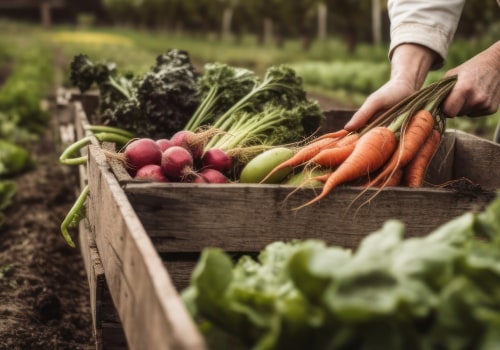
Organic farming has emerged as a vital component of modern agriculture, emphasizing sustainable practices that prioritize environmental health, biodiversity, and the well-being of consumers. This approach to farming avoids the use of synthetic fertilizers, pesticides, and genetically modified organisms (GMOs), instead relying on natural processes and materials to cultivate crops and raise livestock.One of the primary principles of organic farming is the enhancement of soil health. Organic farmers often employ techniques such as crop rotation, cover cropping, and composting to enrich the soil with nutrients.These practices not only improve soil structure but also promote a diverse ecosystem of microorganisms that are essential for plant growth. By fostering a healthy soil environment, organic farms can produce high-quality crops that are more resilient to pests and diseases.Another significant aspect of organic farming is its commitment to biodiversity. Organic farms typically maintain a variety of crops and livestock breeds, which helps to create a balanced ecosystem. This diversity can lead to improved pest control, as natural predators thrive in environments where multiple species coexist.
Furthermore, organic farms often incorporate native plants and wildlife habitats into their landscapes, contributing to the overall health of the local ecosystem.The benefits of organic farms extend beyond environmental considerations; they also have profound implications for human health. Studies have shown that organic produce tends to have higher levels of certain nutrients and antioxidants compared to conventionally grown counterparts. Additionally, by avoiding harmful chemicals, organic farming reduces the risk of pesticide exposure for both consumers and farmworkers.The growing demand for organic products reflects a shift in consumer preferences towards healthier and more sustainable food options. According to recent market research, sales of organic food have consistently increased over the past decade, driven by a heightened awareness of food quality and safety among consumers.
This trend is not only beneficial for individual health but also supports local economies as more farmers transition to organic practices.In conclusion, organic farming represents a holistic approach to agriculture that prioritizes sustainability and health. By adopting practices that enhance soil fertility, promote biodiversity, and reduce chemical inputs, organic farms contribute positively to both the environment and public health. As consumer interest in organic products continues to rise, it is clear that this method of farming will play an increasingly important role in shaping the future of agriculture.
Specialty Farms: Niche Markets and Unique Products
In the diverse landscape of agriculture, specialty farms have carved out a unique niche by focusing on specific products that cater to particular markets. These farms often emphasize quality over quantity, producing unique agricultural items that appeal to consumers seeking something beyond the conventional offerings found in larger commercial farms.One of the most notable categories of specialty farms is those that cultivate herbs.From culinary herbs like basil and cilantro to medicinal varieties such as chamomile and echinacea, these farms provide fresh, organic options that are increasingly sought after by health-conscious consumers and gourmet chefs alike. The rise of farm-to-table dining has further fueled the demand for locally sourced herbs, making herb farming a lucrative venture.Another fascinating segment of specialty farming is the cultivation of flowers. Flower farms can range from small-scale operations growing seasonal blooms to larger enterprises specializing in unique varieties such as peonies or dahlias. These farms not only supply local florists and markets but also cater to the wedding and event planning industries, where demand for locally grown, sustainable flowers is on the rise.
By focusing on organic practices and heirloom varieties, flower farmers can differentiate themselves in a crowded market.
Exotic fruits
represent yet another exciting area within specialty farming. Farms dedicated to growing fruits like dragon fruit, lychee, or pawpaw are becoming increasingly popular as consumers seek out new flavors and health benefits. These fruits often require specific growing conditions and expertise, making them a challenging yet rewarding endeavor for farmers willing to invest the time and resources necessary to cultivate them successfully.Moreover, specialty farms often engage in sustainable practices , which not only enhance product quality but also appeal to environmentally conscious consumers. Techniques such as permaculture, organic farming, and integrated pest management are commonly employed to ensure that these farms operate in harmony with nature.In conclusion, specialty farms play a vital role in diversifying our food systems and providing unique products that meet the evolving tastes and preferences of consumers.
By focusing on niche markets and unique agricultural products, these farms not only contribute to local economies but also foster a deeper connection between consumers and the origins of their food.
Aquaculture and Fisheries: Farming in Water
Aquaculture, often referred to as fish farming, is a vital component of modern agriculture that focuses on the cultivation of aquatic organisms such as fish, crustaceans, mollusks, and aquatic plants. This practice has gained significant traction in recent years due to the increasing demand for seafood and the need for sustainable food production methods. As wild fish populations face overfishing and habitat degradation, aquaculture presents a promising solution to meet global protein needs while alleviating pressure on natural fisheries.One of the primary benefits of aquaculture is its ability to produce food in a controlled environment, which can lead to higher yields compared to traditional fishing methods. By managing water quality, feeding practices, and breeding conditions, aquaculturists can optimize growth rates and ensure the health of their stock.This not only contributes to food security but also supports local economies by providing jobs in rural areas.In addition to fish farming, effective fisheries management is crucial for maintaining the balance between wild fish populations and aquaculture. Sustainable fisheries management practices involve regulating catch limits, protecting critical habitats, and implementing monitoring systems to ensure that fish stocks remain healthy. These practices help prevent overfishing and promote biodiversity in aquatic ecosystems.Moreover, aquaculture can be integrated with other agricultural practices, such as integrated multi-trophic aquaculture (IMTA), where different species are farmed together in a way that benefits all parties involved. For example, fish can be raised alongside shellfish and seaweed, which can utilize the waste produced by the fish as nutrients.
This symbiotic relationship not only enhances productivity but also minimizes environmental impacts.As we look towards the future of food production, it is essential to recognize the role of aquaculture and fisheries in ensuring a sustainable food supply. By investing in research and development, promoting responsible farming practices, and supporting local fisheries management initiatives, we can create a resilient food system that meets the needs of a growing population while preserving our aquatic resources for generations to come.
Permaculture: Designing Sustainable Ecosystems
Permaculture is a holistic approach to farming that emphasizes the creation of sustainable and self-sufficient agricultural ecosystems. The term, a portmanteau of "permanent" and "agriculture," reflects the goal of developing systems that can endure over time without depleting resources. This method is rooted in ecological principles, aiming to work with nature rather than against it.At the heart of permaculture are several key principles that guide its implementation:- Observe and Interact: Understanding the local environment is crucial.
By observing natural patterns and interactions, farmers can design systems that mimic these processes, leading to more resilient ecosystems.
- Catch and Store Energy: Permaculture encourages the use of renewable energy sources, such as solar and wind, to power farming operations. Techniques like rainwater harvesting also help in conserving water.
- Obtain a Yield: While sustainability is paramount, permaculture also focuses on producing food and other resources. This balance ensures that farms remain economically viable while adhering to ecological practices.
- Apply Self-Regulation and Accept Feedback: Farmers are encouraged to monitor their systems closely and make adjustments based on performance. This adaptive management helps in maintaining ecological balance.
- Use and Value Renewable Resources: Emphasizing the use of local materials and resources reduces dependency on non-renewable inputs, fostering a more sustainable farming practice.
For instance, by creating diverse plantings, farmers can enhance biodiversity, which in turn supports pest control and soil health. Additionally, permaculture promotes soil conservation through techniques like mulching and cover cropping, which prevent erosion and improve soil fertility.Moreover, permaculture systems often incorporate animals into the farming landscape. Chickens, for example, can help control pests while providing manure that enriches the soil. This integration of livestock not only enhances productivity but also creates a closed-loop system where waste is minimized.In conclusion, permaculture represents a shift towards more sustainable farming practices, aligning agricultural production with ecological health.
By adopting these principles, farmers can create resilient systems that not only yield food but also contribute positively to the environment. As awareness of ecological agriculture grows, permaculture stands out as a viable solution for addressing the challenges faced by modern farming.
<strong>Challenges Facing Modern Farms</strong>
Modern farms are at the forefront of agricultural innovation, yet they face a myriad of challenges that can impact their productivity and sustainability. Understanding these challenges is crucial for anyone involved in or interested in the farming industry.Economic Pressures
One of the most significant challenges facing farms today is economic pressure. Fluctuating market prices for crops and livestock can create uncertainty for farmers.
For instance, a sudden drop in the price of corn or soybeans can drastically affect a farmer's income, making it difficult to cover operational costs. Additionally, rising input costs, such as seeds, fertilizers, and fuel, further strain financial resources.
Climate Change
Climate change poses another formidable challenge. Farmers are increasingly experiencing unpredictable weather patterns, including droughts, floods, and extreme temperatures. These conditions not only affect crop yields but also disrupt planting and harvesting schedules.
Adapting to these changes requires investment in new technologies and practices that may not be financially feasible for all farmers.
Labor Shortages
The agricultural sector is also grappling with labor shortages. Many farms rely on seasonal workers for planting and harvesting, but immigration policies and changing labor dynamics have made it difficult to find reliable help. This shortage can lead to delays in production and increased labor costs, further complicating farm management.
Regulatory Challenges
Farmers must navigate a complex web of regulations that govern everything from land use to food safety. Compliance with these regulations often requires additional resources and time, which can be particularly burdensome for small-scale farmers.
Moreover, changes in government policies can create uncertainty, making long-term planning difficult.
Technological Adaptation
While technology offers solutions to many farming challenges, the rapid pace of technological advancement can be overwhelming. Farmers must continually adapt to new tools and methods, which often require significant investment and training. Those who cannot keep up may find themselves at a competitive disadvantage.In conclusion, while modern farms are equipped with advanced techniques and tools to enhance productivity, they must also contend with various challenges that threaten their viability. Addressing these issues requires collaboration among farmers, policymakers, and researchers to ensure a sustainable future for agriculture.