In the realm of agriculture, the concept of farm size is not merely a statistic; it serves as a critical determinant of a farm's operational efficiency and overall success. Understanding the nuances of farm size is essential for farmers, policymakers, and stakeholders alike, as it influences everything from production capacity to market competitiveness. The size of a farm can dictate the types of crops grown, the methods of cultivation employed, and even the financial viability of agricultural ventures.Farm size is typically categorized into small, medium, and large farms, each with its own set of advantages and challenges. Small farms often benefit from niche markets and personalized customer relationships, while larger farms may leverage economies of scale to reduce costs and increase output.
However, the relationship between farm size and agricultural success is complex. It is not solely about the number of acres cultivated or livestock raised; rather, it encompasses a range of factors including access to technology, labor availability, and market access.The significance of understanding farm size extends beyond individual operations. It plays a pivotal role in shaping agricultural policies and practices that can enhance food security and sustainability. As global populations continue to rise, the pressure on farms to produce more food efficiently becomes increasingly pronounced.
This makes it imperative to explore how different farm sizes can adapt to changing environmental conditions and consumer demands.In this article, we will delve deeper into the impact of farm size on various aspects of agricultural success. By examining production efficiency, economic viability, and sustainability practices across different farm sizes, we aim to provide a comprehensive overview that highlights the importance of this often-overlooked factor in farming.
Measuring Farm Size
Understanding how to measure farm size is essential for evaluating agricultural success. Various metrics are employed to assess the scale of a farm, with each offering unique insights into its operational capacity and economic viability.One of the primary metrics used is Gross Farm Cash Income (GCFI). This figure represents the total cash income generated by a farm before any expenses are deducted.GCFI encompasses several revenue streams, including:
- Sales of crops and livestock
- Payments received under federal agricultural programs
- Other cash income related to farm operations, such as fees from production contracts
- Acres Cultivated: The total land area dedicated to farming activities is a straightforward measure of size. It helps in understanding the scale of production and potential yield.
- Number of Livestock: For livestock farms, the headcount of animals can serve as a critical indicator of size and productivity.
- Labor Force: The number of employees or family members working on the farm can also reflect its size and operational complexity.
Larger farms often benefit from economies of scale, allowing them to reduce costs per unit and increase profitability. Conversely, smaller farms may excel in sustainability practices or community engagement, which can also lead to long-term success.In conclusion, measuring farm size through various metrics like GCFI and land area is crucial for assessing agricultural success. These measurements provide insights into operational efficiency, financial health, and potential growth opportunities within the agricultural sector.
The Role of Farm Size in Production Efficiency
When evaluating the impact of farm size on production efficiency, it is essential to recognize that each category of farm—small, medium, and large—comes with its own set of advantages and challenges. Understanding these dynamics can help farmers optimize their operations and improve overall productivity.Small Farms: Flexibility and Niche Markets
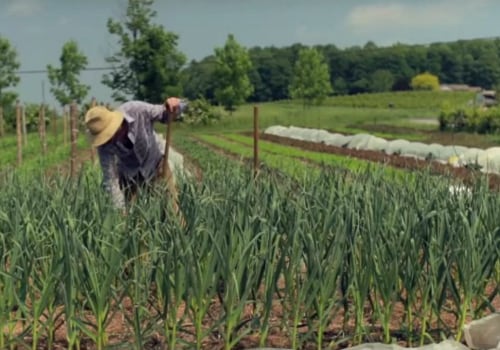
Small farms often excel in production efficiency due to their ability to adapt quickly to changing market demands.With fewer resources tied up in large-scale operations, small farmers can focus on niche markets, producing specialty crops or organic products that may yield higher prices. This flexibility allows them to respond swiftly to consumer preferences, which can lead to increased profitability.
- Personalized Farming: Small farms often have a closer relationship with their customers, allowing for direct sales through farmers' markets or community-supported agriculture (CSA) programs.
- Lower Overhead Costs: With less machinery and fewer employees, small farms can maintain lower operational costs, which can enhance their profit margins.
Medium Farms: Balancing Scale and Efficiency
Medium-sized farms typically find themselves in a unique position where they can leverage both the benefits of scale and the personalized touch of smaller operations. These farms often have enough land to implement efficient production techniques while still being agile enough to adapt to market changes.- Diverse Crop Production: Medium farms can diversify their crop production, reducing risk and increasing resilience against market fluctuations.
- Access to Technology: They are often better positioned to invest in technology that enhances efficiency, such as precision agriculture tools that optimize resource use.
Large Farms: Economies of Scale
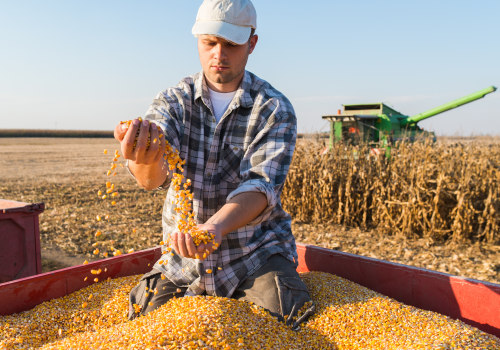
Large farms benefit significantly from economies of scale, allowing them to produce vast quantities of crops at lower per-unit costs. This scale can lead to increased efficiency in production processes, but it also comes with challenges.- Resource Allocation: Large farms can spread fixed costs over a greater output, making them more competitive in pricing.
- Environmental Concerns: However, larger operations may face scrutiny regarding sustainability practices and their impact on local ecosystems.
While small farms may thrive on flexibility and niche markets, medium-sized farms balance scale with adaptability. In contrast, large farms capitalize on economies of scale but must navigate the complexities of sustainability. Ultimately, understanding these dynamics allows farmers to make informed decisions that enhance their productivity and success in the agricultural landscape.
Economic Implications of Farm Size
The economic implications of farm size are profound and multifaceted, influencing not only the profitability of individual farms but also the broader agricultural economy. Understanding how farm size affects financial success is crucial for farmers, policymakers, and stakeholders in the agricultural sector.One of the most significant trends observed in agricultural economics is the correlation between farm size and profitability.Larger farms often benefit from economies of scale, which allow them to reduce per-unit costs as production increases. This can lead to higher profit margins compared to smaller farms, which may struggle with higher relative costs for inputs such as labor, equipment, and land.According to recent studies, medium to large farms—those classified as having over 1,000 acres—account for a substantial portion of total agricultural output. These farms typically generate more revenue due to their ability to produce larger quantities of crops or livestock. For instance:
- Large-scale operations can invest in advanced technology and machinery that enhance productivity.
- They often have better access to financing options, allowing for greater investment in infrastructure and innovation.
- These farms can negotiate better prices for bulk purchases of seeds, fertilizers, and other essential inputs.
While they may produce high-quality niche products or organic goods that command premium prices, their overall output is limited. This can result in:
- Higher vulnerability to market fluctuations and price volatility.
- A greater dependency on direct-to-consumer sales channels, which may not always be sustainable.
- Increased difficulty in accessing capital for expansion or modernization.
Understanding these dynamics is essential for fostering a balanced agricultural economy that supports diverse farming operations.
Environmental Considerations Related to Farm Size
When examining the environmental impact of farming, it is essential to consider how farm size influences ecological practices and sustainability. Different sizes of farms—small, medium, and large—exhibit varying degrees of environmental footprints and adopt distinct sustainable practices.Small Farms
- Small farms often utilize traditional farming methods that can be more environmentally friendly. These practices include crop rotation, organic farming, and integrated pest management, which help maintain soil health and reduce chemical inputs.
- Due to their scale, small farms can implement sustainable practices more easily, allowing for a closer connection to the land and a greater emphasis on biodiversity.
- However, small farms may struggle with economic viability, which can lead to unsustainable practices if they are unable to compete with larger operations.
Medium Farms
- Medium-sized farms often balance between traditional methods and modern technology. They may adopt precision agriculture techniques that optimize resource use while minimizing waste.
- This size category is crucial for implementing sustainable practices on a larger scale, as they have the resources to invest in eco-friendly technologies without compromising productivity.
- Medium farms can also play a significant role in local food systems, reducing transportation emissions and supporting community resilience.
Large Farms
- Large farms typically have a more significant ecological footprint due to their extensive use of machinery and chemical inputs.
This can lead to soil degradation, water pollution, and loss of biodiversity.
- However, many large-scale operations are increasingly adopting sustainable practices such as cover cropping, reduced tillage, and agroforestry to mitigate their environmental impact.
- The challenge lies in balancing high production levels with sustainability; large farms must innovate continuously to reduce their ecological footprint while meeting global food demands.
Technological Advancements and Farm Size
In recent years, technological advancements have revolutionized the agricultural landscape, impacting farms of all sizes. From small family-run operations to expansive commercial enterprises, technology plays a crucial role in enhancing productivity, efficiency, and sustainability.Impact of Technology on Farm Size
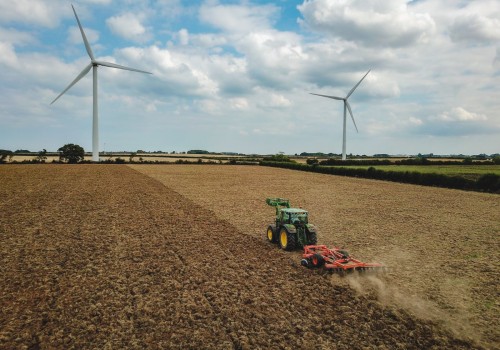
The integration of technology in agriculture has led to significant changes in how farms operate.For smaller farms, adopting new technologies can level the playing field against larger competitors. Innovations such as mobile apps for farm management, automated irrigation systems, and precision agriculture tools allow smallholders to optimize their resources and improve yields without the need for extensive land.Conversely, larger farms benefit from advanced machinery and data analytics that streamline operations. For instance, large-scale farms can utilize GPS-guided tractors and drones for crop monitoring, which enhances their ability to manage vast areas efficiently. This capability not only increases productivity but also reduces labor costs and minimizes environmental impact.
Precision Farming Benefits
One of the most significant advancements in agricultural technology is precision farming.This approach utilizes data-driven techniques to make informed decisions about crop management. By employing sensors, satellite imagery, and soil analysis, farmers can tailor their practices to the specific needs of their crops.
- Resource Optimization: Precision farming allows for targeted application of water, fertilizers, and pesticides, reducing waste and lowering costs.
- Increased Yields: By understanding the unique requirements of different areas within a field, farmers can enhance crop health and maximize production.
- Sustainability: With better resource management, precision farming contributes to environmental sustainability by minimizing runoff and preserving soil health.
Case Studies: Success Stories from Various Farm Sizes
Understanding the diverse paths to agricultural success requires examining real-world examples of farms of varying sizes.Each case study provides valuable insights into how different operational scales can lead to unique achievements in the agricultural sector.
Small Farm Success: The Urban Farm Movement
One notable example of a successful small farm is Green City Growers , an urban farm located in Cleveland, Ohio. This farm operates on just 2.5 acres and focuses on sustainable practices, including organic farming and community engagement. By utilizing innovative techniques such as vertical farming and hydroponics, Green City Growers has managed to produce a significant yield of fresh vegetables and herbs, supplying local restaurants and farmers' markets.The success of Green City Growers illustrates that small farms can thrive by tapping into local markets and emphasizing sustainability. Their model not only provides fresh produce but also educates the community about healthy eating and environmental stewardship.Medium-Sized Farm Success: The Family Dairy Farm
In contrast, Sunny Acres Dairy , a medium-sized family-owned dairy farm in Wisconsin, showcases how traditional farming methods can be adapted for modern success.With approximately 300 acres and a herd of 150 cows, Sunny Acres has embraced technology to enhance productivity. They utilize automated milking systems and data analytics to monitor herd health and optimize feed efficiency.This approach has led to increased milk production while maintaining high standards of animal welfare. Sunny Acres also engages in community outreach by offering farm tours and educational programs, fostering a connection between consumers and their food sources.
Large Farm Success: The Corporate Grain Operation
On a larger scale, AgriCorp Farms , a corporate grain operation in the Midwest, exemplifies how large farms can leverage economies of scale for success. Covering over 10,000 acres, AgriCorp specializes in corn and soybean production.By investing in advanced machinery and precision agriculture technologies, they have significantly increased their crop yields while minimizing environmental impact.AgriCorp's success is attributed to its ability to adapt quickly to market demands and implement sustainable practices at scale. Their commitment to research and development ensures they remain competitive in an ever-evolving agricultural landscape.These case studies highlight that regardless of size, farms can achieve success through innovation, community engagement, and sustainable practices. Each farm's unique approach offers valuable lessons for aspiring farmers looking to navigate the complexities of modern agriculture.
Challenges Faced by Different Farm Sizes
Farming is a complex endeavor, and the challenges faced by farms can vary significantly based on their size. Each category—small, medium, and large—encounters unique obstacles that can influence their operational efficiency and overall success.Challenges for Small Farms
Small farms often grapple with limited resources, which can hinder their ability to compete in a market dominated by larger operations.Some of the primary challenges include:
- Financial Constraints: Small farms typically have less access to capital, making it difficult to invest in modern equipment or technology that could enhance productivity.
- Market Access: Competing with larger farms that benefit from economies of scale can be daunting. Small farmers may struggle to secure contracts with distributors or retailers.
- Labor Shortages: Finding skilled labor can be particularly challenging for small farms, which may not be able to offer competitive wages or benefits.
- Regulatory Compliance: Navigating the complex web of agricultural regulations can be overwhelming, especially for farmers who lack administrative support.
Challenges for Medium Farms
Medium-sized farms often find themselves in a transitional phase, facing challenges that are distinct from both small and large operations:- Scaling Operations: As these farms grow, they may encounter difficulties in scaling their operations efficiently without sacrificing quality or increasing costs disproportionately.
- Diversification Needs: Medium farms often need to diversify their crops or livestock to mitigate risks associated with market fluctuations, which requires additional knowledge and resources.
- Access to Technology: While they may have more resources than small farms, medium-sized operations might still struggle to adopt advanced technologies that could improve efficiency.
Challenges for Large Farms
Large farms face their own set of challenges, despite having more resources at their disposal:- Environmental Impact: Larger operations often face scrutiny regarding their environmental practices, as they can contribute significantly to issues like soil degradation and water pollution.
- Market Volatility: With greater production comes greater risk; large farms are particularly vulnerable to fluctuations in commodity prices that can impact profitability.
- Labor Relations: Managing a large workforce can lead to complexities in labor relations, including issues related to worker rights and safety standards.
Future Trends in Farming: The Role of Farm Size
As we look toward the future of farming, it is essential to consider how farm size will shape agricultural practices and trends. The dynamics of farm size are evolving, influenced by technological advancements, economic pressures, and changing consumer preferences.Understanding these trends can provide valuable insights into the future landscape of agriculture.One significant trend is the increasing adoption of precision agriculture technologies. These innovations allow farmers to optimize their operations, regardless of farm size. For instance, small and medium-sized farms can leverage data analytics and GPS technology to enhance crop yields and reduce waste. This democratization of technology means that even smaller farms can compete effectively in the market.Moreover, as sustainability becomes a priority for consumers, the size of a farm may influence its ability to implement eco-friendly practices.
Larger farms often have more resources to invest in sustainable technologies, such as renewable energy systems and advanced irrigation methods. However, smaller farms can capitalize on niche markets by promoting organic or locally sourced products, appealing to environmentally conscious consumers.Another trend is the consolidation of farms into larger operations. This shift can lead to increased efficiency and economies of scale but may also raise concerns about biodiversity and local food systems. As larger farms dominate the market, there is a risk that smaller farms could struggle to survive, potentially leading to a loss of agricultural diversity.Additionally, the role of government policies will be crucial in shaping the future of farm sizes.
Supportive policies that encourage small and medium-sized farms can help maintain a diverse agricultural landscape. Programs that provide financial assistance for sustainable practices or access to technology can empower these farms to thrive alongside larger operations.In conclusion, the future of farming will be significantly influenced by farm size. As technology advances and consumer preferences shift towards sustainability, both large and small farms will need to adapt their practices. The balance between efficiency and diversity will be critical in ensuring a resilient agricultural sector that meets the needs of future generations.
Conclusion: The Interconnectedness of Farm Size and Agricultural Success
In conclusion, the relationship between farm size and agricultural success is multifaceted and deeply interconnected.Throughout this article, we have explored various dimensions of how farm size influences not only production capacity but also economic viability, sustainability practices, and market competitiveness.One of the most significant insights is that larger farms tend to benefit from economies of scale, allowing them to produce food more efficiently and at a lower cost per unit. This efficiency can lead to increased profitability, enabling larger farms to invest in advanced technologies and sustainable practices that further enhance their productivity. However, it is crucial to recognize that this does not diminish the vital role of smaller and medium-sized farms, which contribute significantly to local economies and food diversity.Moreover, the data indicates that a substantial portion of agricultural output comes from medium and large farms, highlighting their importance in meeting the food demands of a growing population. Yet, smaller farms often excel in niche markets and organic farming, providing unique products that cater to consumer preferences for quality and sustainability.Understanding the dynamics of farm size is essential for policymakers, agricultural professionals, and aspiring farmers alike.
By recognizing the strengths and challenges associated with different farm sizes, stakeholders can develop targeted strategies that support all types of farms. This includes providing access to resources, financial assistance, and educational programs tailored to the specific needs of each farm category.Ultimately, fostering a diverse agricultural landscape where farms of all sizes can thrive is crucial for ensuring food security and promoting sustainable practices. As we move forward in an ever-evolving agricultural sector, it is imperative to appreciate the interconnectedness of farm size and agricultural success, as this understanding will guide future innovations and policies aimed at enhancing the resilience of our food systems.