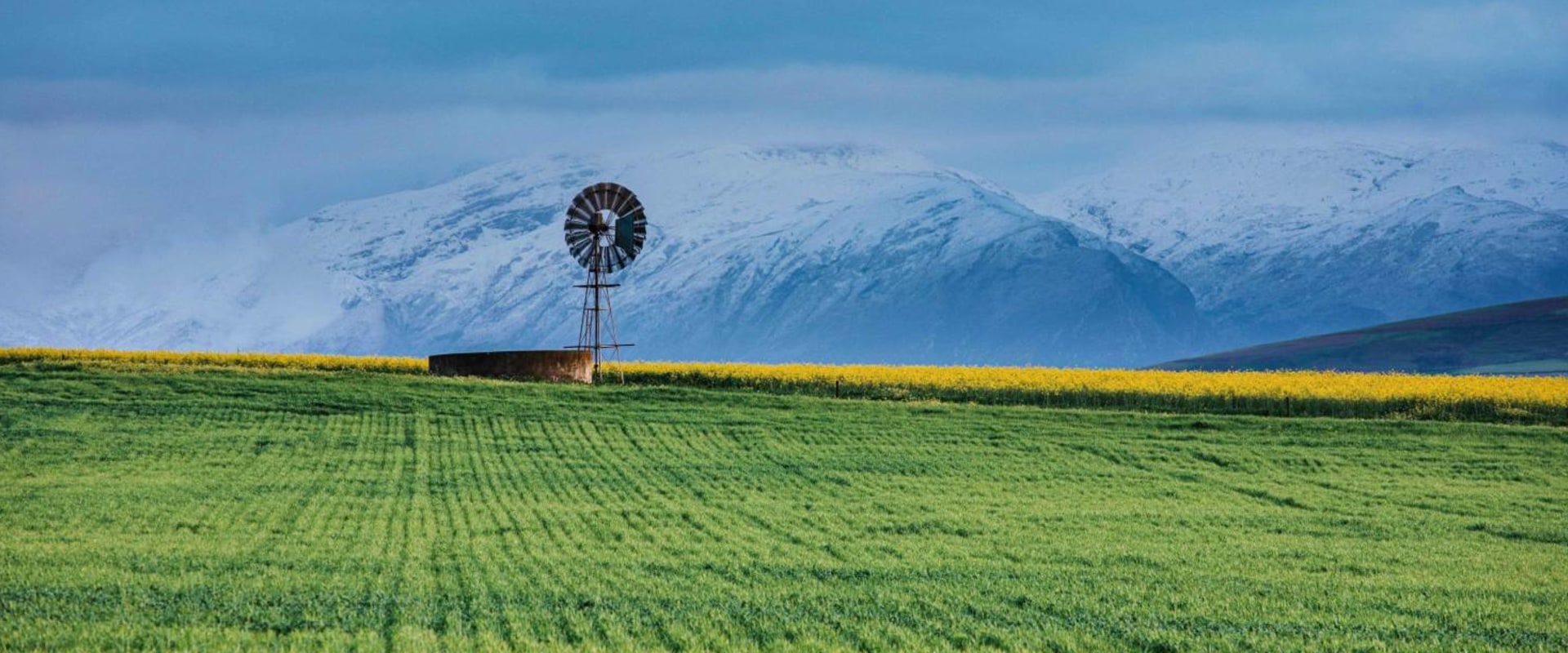
In the realm of agriculture, the terms farms and ranches are often used interchangeably, leading to confusion among those unfamiliar with the intricacies of land management. While both play crucial roles in food production and rural economies, they represent distinct approaches to agriculture. Understanding these differences is essential for anyone interested in the agricultural sector, whether as a potential farmer, rancher, or simply an informed consumer.At their core, farms are primarily dedicated to the cultivation of crops. This can encompass a wide variety of agricultural products, including fruits, vegetables, grains, and herbs.
In contrast, ranches focus on raising livestock, such as cattle or sheep, for meat, milk, or wool. This fundamental distinction shapes not only the daily operations of each type of land but also the lifestyle and commitments of those who work them. By delving into these differences, we can better appreciate the unique contributions each makes to our food systems and economies.Moreover, misconceptions about farms and ranches can lead to oversimplified views of agriculture. For instance, many people may envision a farm as a quaint plot of land with rows of crops while picturing a ranch as a vast expanse of land dotted with grazing animals.
However, the reality is much more nuanced. Farms can vary significantly in size and specialization, just as ranches can incorporate crop production alongside animal husbandry. Recognizing these complexities allows for a more comprehensive understanding of agricultural practices and their impact on our lives.As we explore the differences between farms and ranches in greater detail throughout this article, we will uncover not only their operational distinctions but also the cultural and economic implications that arise from these differences. This knowledge is vital for fostering a deeper appreciation for the hard work that goes into producing our food and managing our land sustainably.
Defining Farms: What Constitutes a Farm?
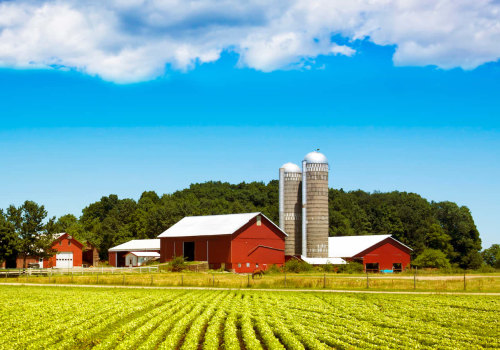
To understand what constitutes a farm, it is essential to define the term itself.A farm is generally recognized as a tract of land dedicated to the cultivation of crops and the raising of animals for food, fiber, and other products. The primary purpose of a farm is to produce agricultural goods that can be sold or consumed, contributing to both local and global food systems.Farms can be categorized into various types based on their production focus. Here are some common types:
- Crop Farms: These farms primarily grow crops such as grains, fruits, vegetables, and nuts. They may specialize in a single crop or cultivate multiple varieties.
- Dairy Farms: Focused on producing milk and dairy products, these farms typically house dairy cattle and may also grow feed crops for their animals.
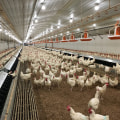
- Poultry Farms: These operations raise chickens, turkeys, ducks, or other birds for meat and eggs.
- Mixed Farms: Combining both crop production and livestock raising, mixed farms offer a diverse range of products and can provide a more stable income stream.
- Organic Farms: These farms adhere to organic farming practices, avoiding synthetic fertilizers and pesticides while focusing on sustainable methods.
- Land Use: Farms are specifically designated for agricultural activities, with land often divided into fields for crops or pastures for livestock.
- Production Scale: Farms vary in size from small family-owned operations to large commercial enterprises.
The scale often influences the types of crops grown and the farming techniques employed.
- Economic Contribution: Farms play a vital role in the economy by providing food, employment, and raw materials for various industries.
- Sustainability Practices: Many modern farms incorporate sustainable practices to minimize environmental impact and promote biodiversity.
Understanding Ranches: The Essence of Ranching
A ranch is fundamentally a type of agricultural operation that primarily focuses on the raising and management of livestock. Unlike farms, which may produce a variety of crops, ranches are dedicated to animal husbandry, making them essential for meat, dairy, and wool production. The essence of ranching lies in its commitment to the care and breeding of animals, often in expansive outdoor settings that allow for natural grazing and movement.Types of Ranches
- Cattle Ranches: These are the most common type of ranch, where the primary focus is on raising cattle for beef production.
Cattle ranches can vary significantly in size, from small family-owned operations to large commercial enterprises.
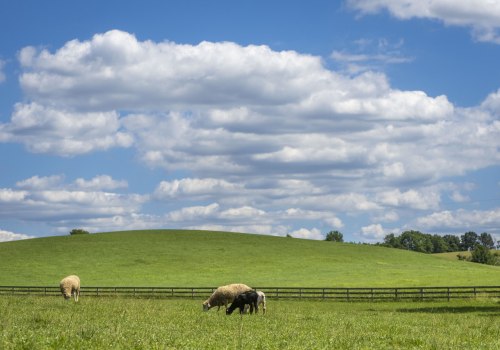
- Sheep Ranches: Similar to cattle ranches, sheep ranches specialize in raising sheep for meat (lamb) and wool. These ranches often require different management practices due to the unique needs of sheep compared to cattle.
- Horse Ranches: These ranches focus on breeding and training horses. They may also offer services such as boarding and riding lessons, catering to equestrian enthusiasts.
- Mixed Ranches: Some ranches combine various types of livestock, allowing for a diversified approach to animal husbandry. This can help mitigate risks associated with market fluctuations in specific animal products.
Characteristics of Ranches
Ranches are characterized by several key features that distinguish them from traditional farms:
- Size: Ranches tend to be larger than farms, often spanning hundreds or thousands of acres.
This size is necessary to provide adequate grazing land for livestock.
- Land Use: The land on a ranch is typically used for grazing rather than crop production. This means that ranchers must manage their pastures carefully to ensure sustainable use and prevent overgrazing.
- Animal Welfare: A significant aspect of ranching is the emphasis on animal welfare. Ranchers must ensure that their livestock have access to clean water, nutritious food, and proper medical care.
- Seasonal Management: Ranching often involves seasonal cycles, such as calving or lambing seasons, which require careful planning and management to optimize productivity.
Key Differences Between Farms and Ranches
Understanding the distinctions between farms and ranches is crucial for anyone interested in agriculture or land management.While both are integral to the agricultural landscape, they serve different purposes and operate under unique principles.
Focus of Operations
- Farms: The primary focus of a farm is the cultivation of crops. This can encompass a wide variety of produce, including fruits, vegetables, grains, and herbs. Farmers often engage in practices such as crop rotation, soil management, and pest control to optimize yield and maintain soil health.
- Ranches: In contrast, ranches are primarily dedicated to raising livestock. Common animals include cattle, sheep, and goats.
Ranchers typically focus on animal husbandry practices, which involve breeding, feeding, and caring for animals to ensure their health and productivity.
Daily Operations
- Farmers: Daily tasks for farmers can vary significantly based on the season and type of crops being grown. Activities may include planting seeds, irrigating fields, harvesting crops, and maintaining equipment. Farmers often have more flexibility in their schedules since crops do not require constant attention.
- Ranchers: Ranchers have a more structured daily routine due to the needs of their animals. Tasks such as feeding livestock, monitoring their health, and managing grazing patterns are essential.
This commitment often requires ranchers to be on-site daily to ensure the well-being of their herds.
Overall Goals
- Farms: The goal of a farm is typically to produce high-quality crops for sale in local markets or distribution channels. Farmers may also engage in sustainable practices to enhance environmental stewardship.
- Ranches: The primary objective of a ranch is to produce livestock for meat, dairy, or wool. Ranchers may also focus on breeding programs to improve the quality of their stock or engage in eco-friendly practices that promote biodiversity.
Daily Operations: A Day in the Life on a Farm vs.
a RanchThe daily operations on a farm and a ranch can vary significantly, reflecting their distinct focuses on crop production and animal husbandry. Understanding these differences can provide insight into the unique lifestyles of farmers and ranchers.
Daily Life on a Farm
A typical day for a farmer often begins at dawn, as the early morning light is ideal for tending to crops. Farmers may start their day by checking the weather conditions, which play a crucial role in agricultural activities. Here are some common tasks that farmers engage in:- Planting: Depending on the season, farmers may spend their mornings planting seeds or seedlings.
This involves preparing the soil, ensuring it is nutrient-rich and free from weeds.
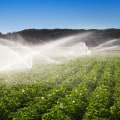
- Watering: Irrigation is vital for crop health. Farmers often check irrigation systems or manually water plants to ensure they receive adequate moisture.
- Harvesting: During harvest season, farmers dedicate significant time to gathering mature crops. This can involve using machinery or hand-picking fruits and vegetables.
- Pest Management: Farmers regularly inspect their fields for pests and diseases, applying organic or chemical treatments as necessary to protect their crops.
- Equipment Maintenance: Keeping farming equipment in good working order is essential. Farmers often spend time repairing or maintaining tractors, plows, and other machinery.
Daily Life on a Ranch
In contrast, a rancher's day revolves around the care and management of livestock.Ranchers typically rise early as well but focus on different responsibilities:
- Feeding Animals: One of the first tasks is ensuring that all animals are fed. This includes providing hay, grains, and supplements to cattle, sheep, or other livestock.
- Herding: Ranchers often spend time moving animals between pastures to ensure they have access to fresh grazing areas. This task requires knowledge of animal behavior and terrain.
- Health Checks: Regular health assessments are crucial. Ranchers check for signs of illness or injury in their animals and may administer vaccinations or medications as needed.
- Breeding Programs: For those involved in breeding livestock, daily tasks may include monitoring breeding cycles and caring for newborn animals.
- Land Management: Maintaining the land is also essential for ranchers.
This can involve managing water sources, fencing repairs, and ensuring sustainable grazing practices.
Specialization in Agriculture: Farms vs. Ranches
When it comes to agriculture, the concept of specialization plays a crucial role in determining the operational strategies and income potential of both farms and ranches. Understanding how these entities approach specialization can provide valuable insights for aspiring agriculturalists.Specialized Farms
Specialized farms focus on the production of a single type of crop or a limited range of crops. This approach allows farmers to hone their skills and optimize their resources for maximum yield.
For instance, a farm dedicated to growing organic tomatoes may invest heavily in soil health, pest management, and irrigation techniques specifically tailored to that crop. The benefits of specialization include:
- Increased Efficiency: By concentrating on one crop, farmers can streamline their processes, reducing labor costs and improving productivity.
- Market Demand: Specialized farms often cater to niche markets, allowing them to command higher prices for their products.
- Expertise Development: Farmers can become experts in their chosen crop, leading to better quality produce and enhanced reputation.
Diversified Farms
In contrast, diversified farms cultivate a variety of crops and may also incorporate livestock into their operations. This strategy mitigates risks associated with market fluctuations and environmental challenges. For example, a diversified farm might grow vegetables, grains, and raise chickens for eggs.
The advantages of diversification include:
- Risk Management: By spreading production across multiple crops or livestock types, farmers can buffer against poor yields in any single area.
- Year-Round Income: Different crops have varying harvest times, allowing farmers to generate income throughout the year.
- Sustainable Practices: Crop rotation and intercropping can improve soil health and reduce pest issues.
Ranch Specialization
On the other hand, ranches typically specialize in animal husbandry. This focus can include raising cattle for beef production, sheep for wool or meat, or even specialized breeds for show purposes. Ranchers often invest in specific breeding programs to enhance desirable traits in their livestock. The specialization in ranching leads to:
- Streamlined Operations: Ranchers can develop specific feeding regimens and healthcare protocols tailored to their animals' needs.
- Market Positioning: Specialized ranches can target premium markets by offering high-quality meat or breeding stock.
- Resource Allocation: Focusing on animal production allows ranchers to allocate resources effectively towards pasture management and animal welfare.
This distinction not only influences operational strategies but also impacts income streams and long-term sustainability within the agricultural sector.
Size and Scale: How Farms and Ranches Compare
When comparing farms and ranches, one of the most significant factors to consider is their size and scale. The dimensions of these agricultural operations can greatly influence their management practices, operational efficiency, and overall economic viability.Understanding Farm Size
Farms can vary widely in size, from small family-owned plots to expansive commercial operations. According to the USDA, a farm is defined as any land that produces at least $1,000 in agricultural products annually. This means that even a small garden can technically be classified as a farm if it meets this financial threshold.
However, most farms tend to fall into specific categories based on their size:
- Small Farms: Typically less than 50 acres, these farms often focus on niche markets or local produce.
- Medium Farms: Ranging from 50 to 500 acres, medium-sized farms may diversify their crops or engage in some animal husbandry.
- Large Farms: Exceeding 500 acres, large farms often operate on a commercial scale, producing significant quantities of crops for national or international markets.
The Scale of Ranches
In contrast, ranches are generally much larger than farms. They are primarily dedicated to raising livestock and can span thousands of acres. The size of a ranch is often determined by the number of animals it can support and the type of grazing land available. Here are some common classifications:
- Small Ranches: Usually under 1,000 acres, these ranches may focus on a specific type of livestock or a small herd.
- Medium Ranches: Ranging from 1,000 to 5,000 acres, medium ranches often have more diverse livestock and may incorporate some crop production.
- Large Ranches: These can exceed 5,000 acres and may support thousands of animals.
Large ranches often have sophisticated management systems in place to handle the scale of operations.
The Impact of Size on Operations
The size of a farm or ranch directly affects its operational practices. Smaller farms may rely on manual labor and traditional farming techniques, while larger operations often utilize advanced technology and machinery to enhance productivity. For instance:
- Labor Requirements: Larger farms and ranches typically require more staff to manage daily operations effectively.
- Resource Management: The scale of operations influences how resources such as water and feed are managed. Larger entities may invest in irrigation systems or bulk feed purchases to optimize efficiency.
- Market Reach: Size can also determine market access; larger farms may have contracts with distributors or retailers that smaller farms cannot secure.
Each type has its unique challenges and opportunities that can significantly impact management practices and economic success.
Choosing Between a Farm and a Ranch: Factors to Consider
When it comes to deciding between a farm and a ranch, several critical factors come into play. Understanding your personal interests, lifestyle preferences, and long-term goals is essential in making the right choice for your agricultural journey.1.Personal Interests
- Crops vs. Animals: If you have a passion for growing plants and cultivating crops, a farm may be the ideal choice. On the other hand, if you find joy in caring for animals and managing livestock, a ranch could be more fulfilling.
- Type of Agriculture: Consider what type of agriculture excites you.
Are you interested in organic farming, sustainable practices, or perhaps specialty crops? Alternatively, do you want to focus on breeding and raising animals for meat, milk, or wool?
2.Lifestyle Preferences
- Daily Routine: The daily commitments of farmers and ranchers differ significantly. Farmers often have more flexible schedules as crop care can vary throughout the season. Ranchers, however, typically follow a more structured routine due to the constant needs of their livestock.
- Work Environment: Think about the environment in which you want to work. Farms can be smaller and may allow for more interaction with the community through farmers' markets or local sales.
Ranches often require larger tracts of land and may involve more solitary work.
3.Long-Term Goals
- Financial Objectives: Assess your financial goals. Farms can provide diverse income streams through various crops, while ranches may focus on fewer products but can yield higher returns per animal.
- Sustainability: Consider your commitment to sustainable practices. Both farms and ranches can adopt eco-friendly methods, but your approach may differ based on the type of operation you choose.
Regional Variations: How Farms and Ranches are Perceived Differently Across the U.
S.In the United States, the terms farms and ranches evoke distinct images and cultural meanings that can vary significantly from one region to another. Understanding these regional variations is crucial for grasping how agriculture is perceived across the country.For instance, in states like Texas , the term "ranch" carries a certain prestige and romanticism that is often associated with the state's cowboy culture. Here, ranches are not just places for raising livestock; they symbolize a way of life that embodies independence, ruggedness, and a deep connection to the land. The Texas ranching tradition is steeped in history, with many ranches being passed down through generations, often becoming family legacies.Conversely, in the Northeast , farms are more commonly associated with small-scale operations focused on crop production.
States like Vermont and Massachusetts feature farms that emphasize sustainability and local food movements. These farms often engage in community-supported agriculture (CSA) programs, where consumers buy shares of the harvest in advance. The perception of farms here is closely tied to environmental stewardship and community engagement.The Midwest , known as the "Corn Belt," presents another perspective. Here, farms are typically larger and more industrialized, focusing on monoculture crops such as corn and soybeans.
The cultural perception of farming in this region often revolves around efficiency and productivity, with farmers utilizing advanced technology to maximize yields. This industrial approach contrasts sharply with the more artisanal farming practices seen in other regions.In the West Coast , particularly in states like California , farms are often recognized for their diversity and innovation. The region is famous for producing a wide variety of fruits, vegetables, and nuts, thanks to its favorable climate. The cultural perception here leans towards organic farming and sustainable practices, reflecting a growing consumer demand for healthy and environmentally friendly products.These regional differences highlight how cultural perceptions of farms and ranches are shaped by local history, geography, and economic factors.
Understanding these nuances can provide valuable insights into the broader agricultural landscape of the United States.
<strong>Conclusion</strong>: Summarizing the Key Differences Between Farms and Ranches
In conclusion, understanding the distinctions between farms and ranches is essential for anyone interested in agriculture or land management. While both play vital roles in food production and rural economies, they cater to different agricultural practices and lifestyles.Key Differences:
- Focus of Production: Farms primarily concentrate on crop production, cultivating a variety of plants such as fruits, vegetables, grains, and herbs. In contrast, ranches are dedicated to animal husbandry, focusing on raising livestock like cattle, sheep, and horses.
- Daily Operations: The daily routines of farmers and ranchers differ significantly. Farmers often have more flexible schedules as they manage crops that may not require constant attention.
Ranchers, however, adhere to strict schedules due to the daily needs of their animals, which include feeding, herding, and health care.
- Specialization: Farms can be either specialized or diversified. Specialized farms may focus on a single crop type, while diversified farms grow multiple crops and may also raise animals. Ranches typically specialize in animal production, which can include breeding for specific traits or purposes.
- Size and Scale: Generally, ranches are larger than farms. The USDA defines a farm as any land producing at least $1,000 in agricultural products annually.
Ranches often span thousands of acres and can support a significantly higher number of livestock.