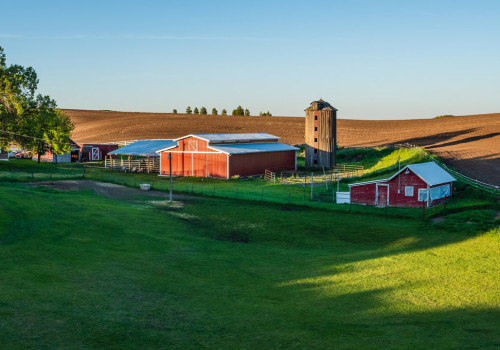
Farming is a multifaceted endeavor that encompasses the cultivation of crops and the raising of livestock, all aimed at producing food and other essential products for society. At its core, a farm is defined as a tract of land dedicated to agricultural activities, where farmers engage in various practices to grow plants or rear animals. This definition, while straightforward, opens the door to a rich tapestry of farming types and methods that vary widely based on geography, climate, and cultural practices.There are several distinct types of farms, each with its own unique characteristics and operational methods. For instance, crop farms focus primarily on the cultivation of plants such as grains, fruits, and vegetables.
These farms can range from small family-owned plots to expansive commercial operations that supply large markets. On the other hand, livestock farms are dedicated to raising animals like cattle, pigs, and poultry for meat, dairy, or eggs. Additionally, there are mixed farms that combine both crop production and animal husbandry, allowing for a diversified approach to agriculture.Understanding the basics of farming is crucial for anyone considering entering this field. It involves not only knowledge of the types of crops or animals but also an awareness of the environmental factors that influence agricultural success.
Elements such as soil quality, water availability, and climate conditions play significant roles in determining what can be effectively grown or raised on a farm. Furthermore, aspiring farmers must familiarize themselves with essential farming practices including planting techniques, pest management, and sustainable farming methods that promote long-term productivity while preserving natural resources.As we delve deeper into the world of farming throughout this guide, we will explore these foundational concepts in greater detail. By grasping the fundamental aspects of what constitutes a farm and the various types that exist, you will be better equipped to navigate the complexities of starting and managing your own agricultural venture.
Choosing the Right Location for Your Farm
Choosing the right location for your farm is one of the most critical decisions you will make as a prospective farmer. The land you select will significantly influence your farming success, impacting everything from crop yield to operational efficiency.Here are some essential factors to consider when selecting land for your farming venture.
Soil Quality
The foundation of any successful farm lies in its soil. High-quality soil is rich in nutrients and has good drainage capabilities. Before purchasing land, conduct a soil test to assess its pH level, nutrient content, and organic matter. Look for:- Fertility: Fertile soil supports healthy plant growth and can lead to higher yields.
- Drainage: Well-drained soil prevents waterlogging, which can damage crops.
- Soil Type: Different crops thrive in different soil types; sandy loam is often ideal for many crops.
Climate Considerations
The climate of your chosen location plays a vital role in determining what crops you can grow.Factors such as temperature, rainfall, and seasonal variations should be carefully evaluated. Consider the following:
- Growing Season: A longer growing season allows for multiple crop cycles.
- Temperature Extremes: Some crops are sensitive to frost or extreme heat.
- Rainfall Patterns: Adequate rainfall is essential, but too much can lead to flooding.
Water Access
A reliable water source is crucial for any farm operation. Whether through rainfall or irrigation systems, ensure that your land has access to sufficient water. Evaluate:- Proximity to Water Bodies: Nearby rivers or lakes can provide irrigation options.
- Irrigation Infrastructure: Existing irrigation systems can save time and money.
- Water Rights: Understand local regulations regarding water usage.
Proximity to Markets
Your farm's location should also consider its distance from markets where you plan to sell your products.Being closer to markets can reduce transportation costs and ensure fresher produce reaches consumers. Look for:
- Access to Roads: Good road infrastructure facilitates easier transport of goods.
- Local Demand: Research local market trends to identify potential buyers.
- Community Support: Being part of a supportive agricultural community can provide networking opportunities and resources.
Types of Farming: Which One is Right for You?
When embarking on the journey of farming, one of the first decisions you will face is the type of farming that aligns with your goals, resources, and lifestyle. Each farming type has its unique characteristics, advantages, and challenges.Understanding these can help you make an informed choice that suits your aspirations.
Crop Farming
Crop farming, also known as arable farming, focuses on the cultivation of plants for food, fiber, and other products. This type of farming can be further divided into several categories:- Cereal Farming: Involves growing grains such as wheat, corn, and rice. These crops are staples in many diets worldwide.
- Vegetable Farming: Focuses on producing a variety of vegetables for local markets or larger distribution networks.
- Fruit Farming: Involves cultivating fruit-bearing plants like apples, oranges, and berries.
Livestock Farming
Livestock farming centers around raising animals for food products such as meat, milk, and eggs.This type includes:
- Cattle Farming: Raising cows primarily for beef or dairy production.
- Poultry Farming: Involves raising chickens, turkeys, or ducks for meat and eggs.
- Pig Farming: Focuses on breeding pigs for pork production.
Organic Farming
Organic farming is a method that emphasizes sustainability and environmental stewardship. It avoids synthetic fertilizers and pesticides, focusing instead on natural processes to enhance soil fertility and control pests. Key principles include:- Biodiversity: Encouraging a variety of plants and animals to create a balanced ecosystem.
- Soil Health: Utilizing composting and crop rotation to maintain soil vitality.
- No GMOs: Avoiding genetically modified organisms in both crops and livestock.
However, organic farming may require more labor-intensive practices and longer timeframes to establish productive systems.
Mixed Farming
Mixed farming combines elements of both crop and livestock farming. This approach allows farmers to diversify their income sources while enhancing sustainability through integrated practices. For example:- Crops can provide feed for livestock, reducing costs associated with purchasing feed.
- The manure from animals can be used to fertilize crops, creating a closed-loop system that benefits both operations.
Take the time to research each option thoroughly to find the best fit for your vision of farm life.
Essential Equipment and Tools for Farming Success
When embarking on the journey of farming, having the right equipment and tools is crucial for achieving success. The type of farm you operate—whether it’s a crop farm, livestock farm, or a mixed operation—will dictate the specific machinery and tools you need. Below, we explore essential equipment that can enhance productivity and efficiency on your farm.Essential Machinery for Crop Farming
For those engaged in crop farming, investing in quality machinery is vital. Here are some key pieces of equipment:- Tractors: The backbone of any crop farm, tractors are used for various tasks including plowing, planting, and harvesting.
Choosing a tractor that suits your land size and type of crops is essential.
- Plows: These are used to turn over the soil, preparing it for planting. Different types of plows are available depending on the soil type and farming method.
- Seeders and Planters: These machines help in efficiently sowing seeds at the correct depth and spacing, which is crucial for optimal growth.
- Harvesters: Depending on the crops you grow, a harvester can significantly reduce the time and labor needed to collect your produce.
Tools for Livestock Farming
If your focus is on raising animals, certain tools become indispensable:- Feeders and Waterers: Proper feeding and hydration systems are essential for maintaining healthy livestock. Automatic feeders can save time and ensure consistent feeding schedules.
- Fencing: Quality fencing is crucial for keeping livestock safe and contained. Different types of fencing materials can be used depending on the animals you raise.
- Milking Machines: For dairy farms, investing in efficient milking machines can enhance productivity while ensuring animal comfort.
The Importance of Maintenance
No matter how advanced your equipment is, regular maintenance is key to ensuring longevity and efficiency.Here are some maintenance tips:
- Regular Inspections: Schedule routine checks to identify any wear and tear before they become major issues.
- Cleansing Equipment: Keeping machinery clean prevents rust and buildup that can hinder performance.
- Follow Manufacturer Guidelines: Adhering to maintenance schedules recommended by manufacturers can prolong the life of your equipment.
Developing a Business Plan for Your Farm
Creating a comprehensive business plan is a critical step for anyone looking to start a farm. A well-structured plan not only outlines your vision and goals but also serves as a roadmap for your agricultural business strategy. Here’s how to develop a robust business plan tailored to your farming aspirations.1.Executive Summary
- Begin with an executive summary that encapsulates your farm's mission, vision, and objectives.
This section should provide a snapshot of what your farm will produce, the market you intend to serve, and your unique selling proposition.
2.Market Analysis
- Conduct thorough market research to understand the demand for your products. Identify your target customers, analyze competitors, and assess market trends. This information will help you position your farm effectively in the marketplace.
3.Organizational Structure
- Detail the organizational structure of your farm. Include information about ownership, management roles, and any employees you plan to hire.
This section should clarify who will be responsible for various aspects of the farm's operations.
4.Products and Services
- Clearly outline the products or services you will offer. Whether you plan to grow crops, raise livestock, or provide agritourism experiences, be specific about what you will produce and how it meets market needs.
5.Marketing Strategy
- Your marketing strategy should detail how you plan to promote your farm and attract customers. Consider various channels such as social media, farmers' markets, local restaurants, and community-supported agriculture (CSA) programs.
6.Financial Projections
- This section is crucial for understanding the financial viability of your farm. Include startup costs, projected income, cash flow analysis, and break-even analysis.
Be realistic in your estimates to ensure sustainability.
7.Funding Requirements
- If you require funding to start or expand your farm, clearly outline how much capital you need and how you plan to use it. This could include loans, grants, or investments from family and friends.
8.Implementation Timeline
- Create a timeline that outlines key milestones in launching and managing your farm. This could include land acquisition, planting schedules, marketing launches, and financial reviews.
Understanding Agricultural Regulations and Compliance
Starting a farm involves more than just planting seeds and raising animals; it also requires a thorough understanding of agricultural regulations and compliance. These regulations are designed to ensure that farming practices are safe, sustainable, and in line with local, state, and federal laws.For new farmers, navigating this complex landscape can be daunting, but it is essential to avoid potential legal issues that could jeopardize their operations.One of the first areas to consider is zoning laws. Zoning regulations dictate how land can be used in specific areas. For instance, some zones may be designated strictly for agricultural use, while others may have restrictions on the types of farming activities allowed. Before purchasing land or starting a farm, it is crucial to check with local zoning boards to ensure that your intended use complies with existing regulations.In addition to zoning laws, farmers must also adhere to various environmental regulations.
These rules are put in place to protect natural resources and minimize the impact of farming on the environment. This includes regulations regarding water usage, waste management, and pesticide application. For example, farmers may need permits for discharging wastewater or for using certain chemicals on their crops. Understanding these requirements is vital for maintaining compliance and protecting the ecosystem.Health standards are another critical aspect of agricultural compliance.
Farmers who raise livestock or produce food products must follow strict health guidelines to ensure the safety of their products. This includes regular inspections and adherence to sanitation practices. Failure to comply with health standards can result in fines or even the shutdown of operations.To navigate these regulations effectively, new farmers should consider seeking guidance from local agricultural extension offices or legal experts specializing in agricultural law. These resources can provide valuable information on necessary permits and compliance requirements specific to your region.In summary, understanding farming regulations is a fundamental step for anyone looking to start a farm.
By familiarizing yourself with zoning laws, environmental regulations, and health standards, you can set your farm up for success while avoiding legal pitfalls that could hinder your agricultural journey.
Sustainable Farming Practices: Balancing Profit and Environment
In recent years, the concept of sustainable farming has gained significant traction as farmers and consumers alike recognize the importance of balancing agricultural productivity with environmental stewardship. Sustainable farming practices not only help in preserving the ecosystem but also enhance the long-term viability of farming operations.One of the core principles of sustainable farming is the use of eco-friendly agriculture techniques that minimize harm to the environment. These practices can include:- Crop Rotation: This involves alternating the types of crops grown in a particular area across seasons. Crop rotation helps in maintaining soil fertility, reducing pest and disease cycles, and minimizing the need for chemical fertilizers.
- Cover Cropping: Planting cover crops during off-seasons protects the soil from erosion, improves soil health, and enhances biodiversity.
Leguminous cover crops can also fix nitrogen in the soil, reducing the need for synthetic fertilizers.
- Integrated Pest Management (IPM): This strategy combines biological, cultural, and chemical practices to manage pests in an environmentally friendly way. By using natural predators and resistant crop varieties, farmers can reduce reliance on harmful pesticides.
- Organic Practices: Transitioning to organic farming methods can significantly reduce chemical inputs. Organic practices focus on natural fertilizers, composting, and biological pest control, which contribute to healthier ecosystems.
By marketing their produce as organic or eco-friendly, farmers can tap into a growing market segment that prioritizes sustainability.Moreover, sustainable farming practices often lead to improved soil health and crop resilience, which can result in higher yields over time. Farmers who invest in sustainable methods may find that they are better equipped to handle climate variability and other challenges associated with traditional farming.In conclusion, adopting sustainable farming practices is essential for creating a balance between profitability and environmental health. By embracing eco-friendly agriculture techniques and organic practices, farmers can contribute positively to their communities while ensuring their operations remain viable for future generations.
Marketing Your Farm Products Effectively
Effectively marketing your farm products is crucial for ensuring profitability and fostering growth. With the right strategies, you can connect directly with consumers, build a loyal customer base, and enhance your farm's visibility in the marketplace.1.Direct-to-Consumer Sales
One of the most effective ways to market your farm products is through direct-to-consumer sales.
This approach allows you to establish a personal connection with your customers and receive immediate feedback on your products. Here are some popular methods:
- Farmers' Markets: Participating in local farmers' markets is an excellent way to showcase your products. These venues attract consumers who are specifically looking for fresh, locally-sourced goods. Make sure to have an attractive booth setup and engage with customers to share your farming story.
- Community-Supported Agriculture (CSA): A CSA program allows consumers to subscribe to receive regular deliveries of fresh produce directly from your farm.
This model not only provides you with upfront capital but also fosters a sense of community among your subscribers.
- Online Sales: Establishing an online presence can significantly expand your reach. Create a user-friendly website where customers can browse and purchase your products. Utilize social media platforms to promote special offers, share recipes, and connect with your audience.
2.Building Your Brand
Your farm's brand is more than just a logo; it represents the values and quality of your products. Invest time in developing a strong brand identity that resonates with your target audience.
Consider the following:
- Storytelling: Share the story behind your farm—your mission, farming practices, and commitment to sustainability. Consumers are increasingly drawn to brands that align with their values.
- Packaging: Invest in attractive and eco-friendly packaging that reflects your brand's ethos. Good packaging not only protects your products but also enhances their appeal on store shelves or at markets.
3.Collaborations and Partnerships
Collaborating with local businesses can amplify your marketing efforts. Consider partnering with restaurants, grocery stores, or other farms to cross-promote products.
This strategy can help you tap into new customer bases while supporting fellow local enterprises.In conclusion, effective marketing strategies are essential for the success of any farm operation. By focusing on direct-to-consumer sales, building a strong brand, and fostering collaborations, you can create a sustainable business model that thrives in today’s competitive agricultural landscape.
Building a Community Around Your Farm: Networking and Support Systems
Building a strong community around your farm is essential for long-term success in agriculture. The farming community is not just a network of individuals; it is a vital support system that can provide resources, knowledge, and opportunities that are crucial for navigating the challenges of farming.Networking for Farmers
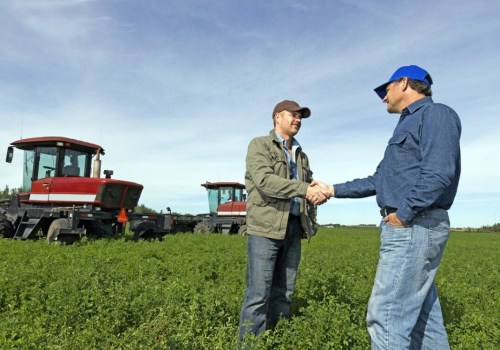
Networking is a powerful tool for farmers. By connecting with other farmers, you can share experiences, learn from one another, and discover best practices that can enhance your farming operations.
Here are some effective ways to build your network:
- Join Local Agricultural Organizations: Many regions have agricultural associations or cooperatives that offer resources, training, and networking opportunities. Becoming a member can help you meet other farmers and industry professionals.
- Attend Workshops and Conferences: Participating in agricultural workshops and conferences allows you to gain insights into the latest trends and technologies in farming while meeting like-minded individuals.
- Utilize Social Media: Platforms like Facebook, Instagram, and LinkedIn have groups dedicated to farming where you can connect with others, share your journey, and seek advice.
Support Systems in Agriculture
A robust support system is crucial for overcoming the inevitable challenges that come with farming. Here are some key components of an effective support system:
- Mental Health Resources: Farming can be isolating and stressful. Connecting with mental health resources or support groups specifically for farmers can provide emotional support and coping strategies.
- Mentorship Programs: Finding a mentor who has experience in farming can be invaluable.
They can offer guidance, share their knowledge, and help you avoid common pitfalls.
- Access to Financial Assistance: Many organizations offer grants or low-interest loans to farmers. Networking can help you learn about these opportunities and how to apply for them.
<strong>Conclusion</strong>: Key Takeaways for Aspiring Farmers
As we conclude this comprehensive guide on starting and managing a farm, it’s essential to reflect on the key takeaways that aspiring farmers should keep in mind. The journey into agriculture is both challenging and rewarding, and understanding the fundamental aspects can significantly enhance your chances of success.- Understand Your Land: The foundation of any successful farm lies in the quality of the land.
Before making a purchase, conduct thorough research on soil fertility, water availability, and climate suitability. This knowledge will guide your decisions on what crops to plant or livestock to raise.
- Choose the Right Equipment: Investing in appropriate farming equipment is crucial. Whether you are cultivating crops or raising animals, having the right tools can streamline your operations and improve efficiency. Regular maintenance of this equipment is equally important to ensure safety and longevity.
- Plan for Sustainability: Modern farming practices should prioritize sustainability.
This includes crop rotation, organic farming methods, and responsible water usage. Sustainable practices not only benefit the environment but also enhance the quality of your produce.
- Stay Informed: The agricultural landscape is constantly evolving with new technologies and methods. Stay updated on industry trends, attend workshops, and connect with other farmers to share knowledge and experiences.
- Build a Support Network: Farming can be isolating, but it doesn’t have to be. Establish connections with local agricultural organizations, extension services, and fellow farmers.
A strong support network can provide valuable resources and emotional support during tough times.
- Be Prepared for Challenges: Farming is not without its difficulties. From unpredictable weather patterns to market fluctuations, challenges are part of the journey. Cultivating resilience and adaptability will help you navigate these obstacles effectively.
Remember that farming is not just a profession; it’s a lifestyle that connects you deeply with nature and your community.